Junk food has become a part of our modern lifestyle. But Junk Food Is Harmful From crispy fries to sugary soft drinks, it’s everywhere quick, tasty, and tempting. But while junk food may satisfy our cravings, it silently harms our body in many ways. Understanding why junk food is harmful to our body is the first step toward choosing a healthier and happier life.
What Is Junk Food and Why Do We Crave It?
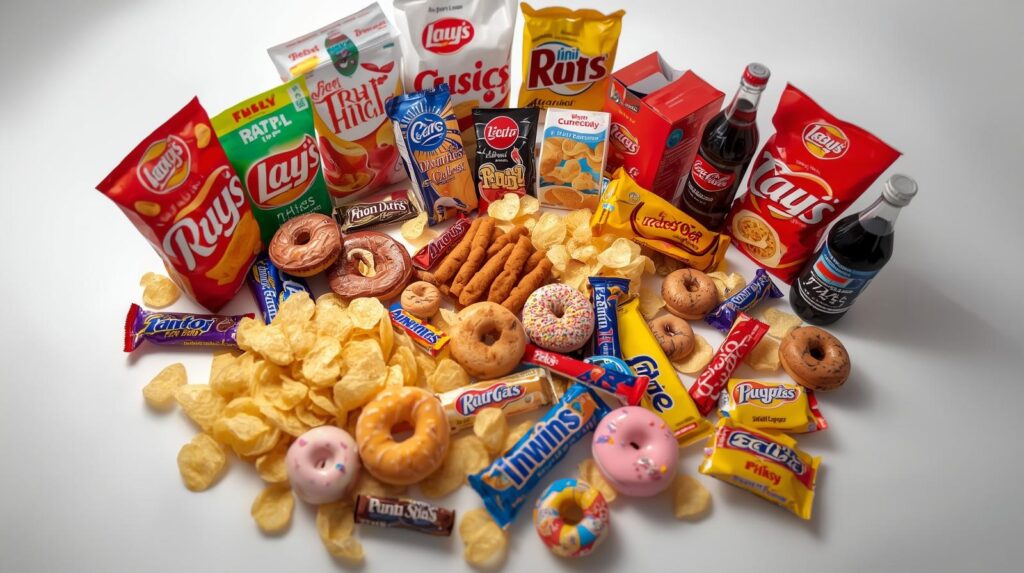
Junk food refers to food that is high in calories but low in essential nutrients like vitamins, minerals, and fiber. It usually contains too much sugar, salt, and unhealthy fats, which make it taste good but provide very little nutrition. Common examples include chips, burgers, pizza, sodas, pastries, and candy.

We crave junk food because of how it affects our brain. These foods trigger the release of dopamine, a “feel-good” chemical, which gives us instant pleasure. Over time, this makes junk food addictive we start eating it even when we’re not hungry. That’s why resisting fast food can feel harder than it sounds.
Also read about this: Junk Food Is Harmful
Most Harmful Junk Foods You Should Avoid
Not all junk foods are equal some are far more harmful to your health because they’re loaded with sugar, unhealthy fats, salt, and artificial additives. Eating them regularly can lead to obesity, diabetes, heart disease, and other serious health problems.
Here’s a list of the top harmful junk foods and why you should avoid them
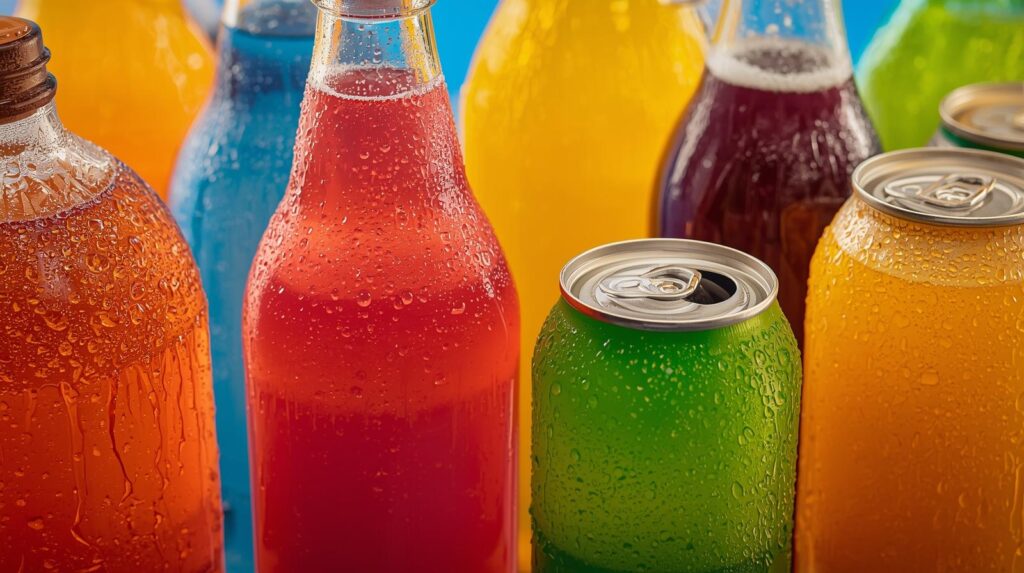
Sugary Drinks (Sodas & Energy Drinks)
Examples: Coca-Cola, Pepsi, Fanta, Red Bull, Sting
Why harmful:
- Extremely high in refined sugar and empty calories
- Cause weight gain, diabetes, and tooth decay
- Lead to fatty liver disease and metabolic problems
Healthier option: Water, fresh fruit juice, lemon water, or herbal tea
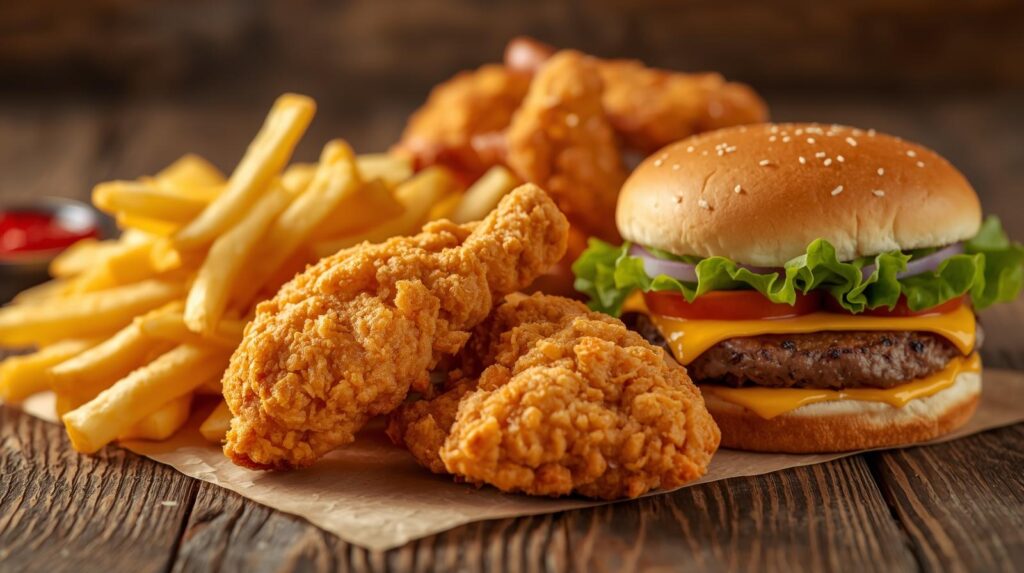
Fried Fast Foods
Examples: French fries, fried chicken, onion rings, samosas, pakoras
Why harmful:
- Contain trans fats that raise bad cholesterol and lower good cholesterol
- Increase risk of heart disease and stroke
- Hard to digest and damage liver function
- Healthier option: Baked or air-fried snacks using olive oil
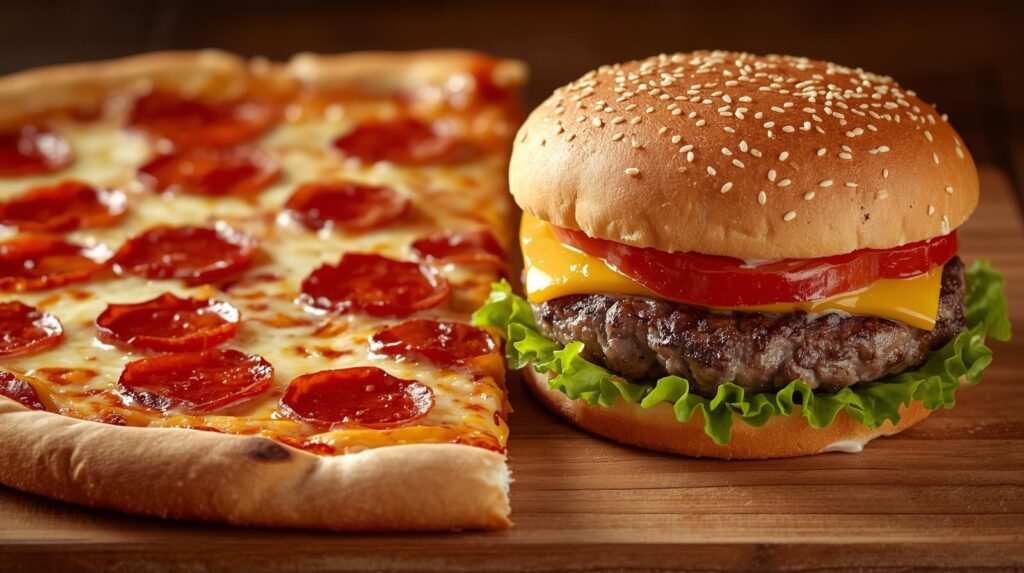
Pizza and Burgers
Why harmful:
- Made with refined flour, cheese, and processed meats
- Very high in sodium and saturated fats
- Cause obesity, high blood pressure, and digestive issues
- Healthier option: Homemade whole-grain pizza with vegetables and lean meat
Packaged Snacks and Chips
Examples: Lay’s, Doritos, Pringles, Cheetos
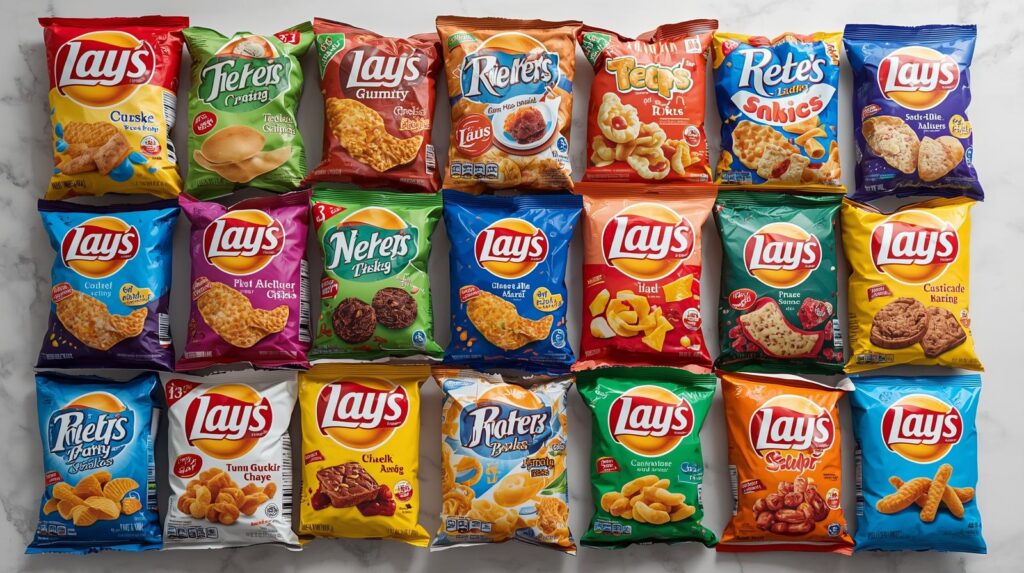
Why harmful:
- Loaded with salt, artificial flavors, and preservatives
- Provide no nutrients, only empty calories
- Regular use causes bloating, dehydration, and weight gain
- Healthier option: Roasted nuts, popcorn without butter, or fruit slices
Sweets, Chocolates, and Desserts
Examples: Cakes, pastries, doughnuts, candies, chocolate bars

Why harmful:
- Contain high amounts of sugar, white flour, and hydrogenated oils
- Lead to diabetes, tooth decay, and skin problems
- Affect mental health and cause energy crashes
- Healthier option: Dark chocolate, fruit smoothies, or yogurt with honey
Instant Noodles and Processed Foods
Examples: Maggi, ramen, cup noodles, canned soups
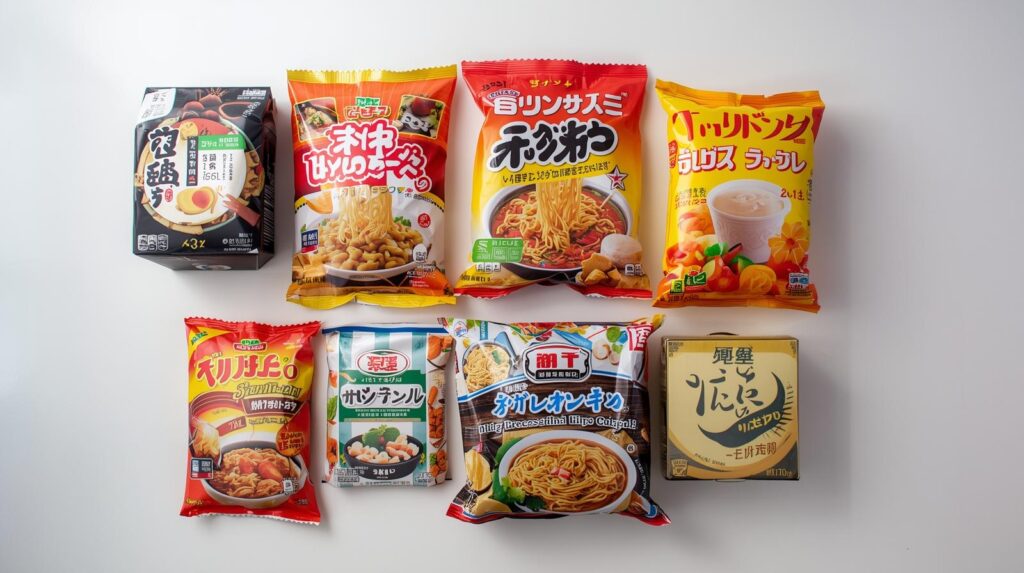
Why harmful:
- Full of sodium, MSG, and artificial flavor enhancers
- Lack vitamins, minerals, and fiber
- Can raise blood pressure and harm digestive health
- Healthier option: Homemade vegetable noodles or soups with fresh ingredients
Ice Cream and Milkshakes

Why harmful:
- Contain large amounts of sugar and saturated fat
- Can cause obesity and insulin resistance
- Artificial flavors and colors harm metabolism
- Healthier option: Frozen yogurt, smoothie bowls, or fruit popsicles
How Junk Food Affects the Body
Eating junk food regularly harms almost every part of the body. Let’s look at how it impacts our main body systems.
- Heart and Blood Vessels: Junk food is loaded with saturated fats, trans fats, and sodium (salt). These ingredients increase cholesterol levels and raise blood pressure, which can lead to heart disease, stroke, and blocked arteries over time. People who eat fast food often are more likely to face cardiovascular issues at a young age.
- Digestive System: Most junk food lacks fiber, which is important for good digestion. Without fiber, the body struggles to remove waste properly, leading to constipation, bloating, and weight gain. Fried and greasy foods also put extra stress on the liver and stomach.
- Brain and Mental Health: Research shows that eating too much junk food can affect brain function. High sugar and fat levels reduce memory power, slow thinking, and even increase the risk of depression and anxiety. Junk food can make us feel lazy, tired, and unfocused.
- Skin Health: Greasy and sugary foods can cause acne, oily skin, and dullness. Since junk food lacks vitamins and antioxidants, it doesn’t support healthy skin renewal. Over time, it can make the skin age faster.
- Liver and Kidney: Soft drinks and processed foods often contain artificial flavors and preservatives that overload the liver and kidneys. This can lead to fatty liver disease and kidney stones if junk food is consumed frequently.
Remember: https://healthytipspro.com/best-diet-for-hypotension/
How to Replace Junk Food with Healthier Options
The good news is you can enjoy tasty food without harming your body! Here are simple ways to avoid junk food and make better choices:
- Plan Your Meals: Plan your meals ahead of time so you’re not tempted to grab fast food when you’re hungry. Include a balance of fruits, vegetables, whole grains, and lean proteins.
- Choose Natural Snacks: Replace chips and sweets with nuts, yogurt, fruit slices, or homemade smoothies. These are nutritious, filling, and much better for your health.
- Cook at Home: Homemade meals are healthier because you control the ingredients. Try baking instead of frying, and use olive oil or air fryers instead of deep oil.
- Eat Mindfully: Avoid eating while watching TV or using your phone. Mindful eating helps you recognize when you’re full, preventing overeating.
How To Junk Food Affects Your Body
- Obesity: Junk food is loaded with calories, sugar, and unhealthy fats that quickly lead to weight gain and obesity. Obesity increases the risk of many other diseases, including heart disease, diabetes, and joint pain.
- Type 2 Diabetes: Foods high in refined sugar and simple carbs cause a rapid rise in blood sugar levels. Over time, this leads to insulin resistance, which is the main cause of type 2 diabetes.
- Heart Disease: Fried and processed foods are full of trans fats and cholesterol, which clog arteries and increase blood pressure. This can result in heart attacks, strokes, or coronary artery disease.
- Liver Disease: Too much junk food especially sugary drinks and fried foods can cause fat to build up in the liver, leading to non-alcoholic fatty liver disease (NAFLD). This condition damages liver function over time.
- Digestive Problems: Because junk food lacks fiber, it slows digestion and can cause constipation, acidity, and bloating. Regular consumption may also harm gut bacteria and weaken digestive health.
- Cancer Risk: Some studies suggest that eating ultra-processed foods regularly may increase the risk of certain cancers, especially colon and stomach cancer, due to preservatives, chemicals, and trans fats.
- Depression and Mental Health Issues: High-sugar and high-fat foods can affect brain chemistry. People who eat junk food often experience mood swings, anxiety, and depression, as the brain lacks essential nutrients like omega-3s and vitamins.
- Tooth Decay: Sugary drinks and snacks promote bacterial growth in the mouth, leading to cavities, tooth decay, and gum disease.
- Weakened Immune System: Junk food doesn’t provide the vitamins and minerals your immune system needs. As a result, your body becomes more vulnerable to infections and illnesses.
Final Thoughts: Choose Health Over Convenience
Junk food may be convenient and tasty, but it’s not worth the long-term damage it causes. It weakens your body, affects your mood, and steals your energy. The next time you’re tempted by a burger or soda, remember your health is your greatest wealth.

Making small changes today can create big results tomorrow. Choose whole, natural foods that nourish your body and give you lasting energy. When you eat healthy, you don’t just look better you feel stronger, happier, and more confident every day.
Appoint DOCTOR
“It might be a good idea to see a doctor about your nutrition problem they can help you find the right solution. You can book an appointment here:https://www.marham.pk/doctors/nutritionist
Also read about Health tips:https://healthytipspro.com/
Why is junk food harmful to our health?
Junk food is harmful because it contains high amounts of sugar, salt, and unhealthy fats but very few nutrients. Eating it regularly can lead to obesity, heart disease, high blood pressure, and diabetes. It also weakens the immune system and affects brain and liver function.
What happens if we eat junk food every day?
Eating junk food daily can cause weight gain, fatigue, digestive problems, and mood swings. Over time, it increases the risk of serious health issues like type 2 diabetes, heart disease, and high cholesterol. It can also make your skin dull and trigger acne.
How can I stop eating junk food?
To stop eating junk food, start by planning your meals, drinking more water, and replacing unhealthy snacks with fruits, nuts, or yogurt. Cooking at home and eating mindfully also help reduce cravings for processed food.
What are healthier alternatives to junk food?
Healthier alternatives include air-popped popcorn, fruit smoothies, whole-grain sandwiches, baked snacks, salads, and fresh fruit. These options are rich in nutrients and keep you full without harming your health.
Can junk food affect mental health?
Yes. Studies show that eating too much junk food can increase the risk of depression, anxiety, and stress. The lack of essential nutrients affects brain function, mood balance, and energy levels.
Pingback: Get Enough Vitamin B12 & Folate - Health Tips