Kwashiorkor Disease is a severe form of malnutrition that occurs mainly in young children, especially between the ages of 1 to 5 years. It develops when the body does not receive enough protein, even though the child may be eating food that provides energy (such as rice, chapatti, porridge, or potatoes). In simple words, Kwashiorkor happens when the diet lacks protein, which is one of the most important nutrients needed for growth, muscle strength, immunity, and body repair.
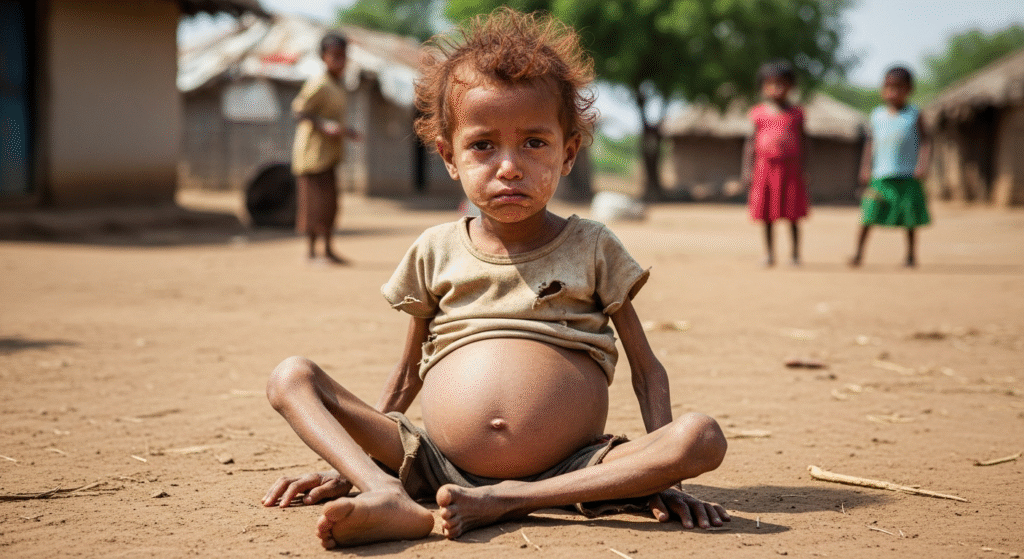
This condition is most commonly seen in areas where people face poverty, food shortage, low access to protein-rich foods, and poor health awareness. Understanding Kwashiorkor is important for both students and parents, because early awareness and proper nutrition can save a child’s life and ensure healthy growth.
Why is Protein So Important?
- Growth of muscles and bones
- Repairing damaged tissues
- Producing hormones and enzymes
- Building a strong immune system
When a child does not get enough protein, the body starts breaking down its own tissues, leading to weakness, swelling, and slow development.
Also read about this: Kwashiorkor Disease

How Does Kwashiorkor Occur?
Kwashiorkor usually occurs when:
- A child stops breastfeeding too early
- The diet consists mostly of carbohydrates like rice, wheat, bread, and potatoes but very little protein (meat, milk, eggs, beans)
- The child has repeated infections that weaken immunity and reduce appetite
Even if the child eats enough calories, the lack of protein prevents proper growth and affects the normal functioning of the body.
Where Is Kwashiorkor More Common?
Kwashiorkor is most commonly seen in:
- Poor and developing regions
- Families with limited access to protein-rich foods
- Areas affected by drought, crop failure, famine, or natural disasters
- Communities with low health education
However, it can occur anywhere if the child’s diet is not balanced.
Causes of Kwashiorkor
1. Lack of Protein in Diet
This is the primary cause. Foods like rice or chapatti alone cannot meet protein needs.
2. Early Stopping of Breastfeeding
Breast milk is rich in nutrients. If replaced too early with starch-based foods, the child becomes protein-deficient.
3. Poverty and Food Insecurity
Financial limitations reduce access to eggs, milk, meat, fish, and pulses.
4. Repeated Infections
Illnesses like diarrhea and measles reduce appetite and nutrient absorption.
5. Lack of Nutrition Knowledge
Parents may not know which foods contain protein or how to prepare balanced meals.
Risk Factors
Children are more likely to develop Kwashiorkor if:
- They live in poverty
- They are under 5 years old
- They have frequent infections
- Their mother is malnourished
- They are not breastfed properly
- Their diet consists mainly of carbohydrates without protein
Clinical Manifestations (Symptoms)
| Symptom | Description |
|---|---|
| Swollen belly (Edema) | Excess fluid collects in the body due to low protein levels. |
| Thin arms and legs | Muscles weaken and shrink because the body breaks down muscle tissue. |
| Change in hair color | Hair becomes light brown, reddish, or falls out easily. |
| Dry, cracked, or flaky skin | Skin loses elasticity and may peel. |
| Weakness and tiredness | Lack of energy due to loss of muscle and nutrients. |
| Irritability and sadness | Child becomes quiet, inactive, or cranky. |
| Slow growth and weight loss | Child is shorter and lighter than others of the same age. |
| Swollen feet and face | Edema spreads to the whole body in severe cases. |
Simple Way to Identify
A child who looks swollen but is actually very thin underneath is likely suffering from Kwashiorkor.
How Kwashiorkor is Diagnosed
Healthcare professionals diagnose Kwashiorkor through:
1. Physical Examination
- Checking swelling, muscle mass, skin and hair changes, weight and height
2. Medical History
- Asking about diet, breastfeeding, illnesses, family living conditions
3. Laboratory Tests
- Blood tests: to check protein levels (especially serum albumin)
- Liver function tests: to assess organ damage
- Electrolyte levels: to monitor dehydration or imbalance
4. Growth Chart Assessment
Comparing the child’s weight and height with standard growth charts.
Treatment of Kwashiorkor
Kwashiorkor requires careful and gradual treatment. Sudden feeding of heavy food can cause complications. Treatment should be done under medical supervision.
Step-by-Step Treatment Plan
1. Stabilization
- Rehydration solutions to correct dehydration
- Antibiotics to treat infections
- Ensuring body temperature and blood sugar are stable
2. Nutritional Rehabilitation
Food is introduced in small but frequent meals, gradually increasing the amount.
Foods Given Include:
| Food Type | Examples |
|---|---|
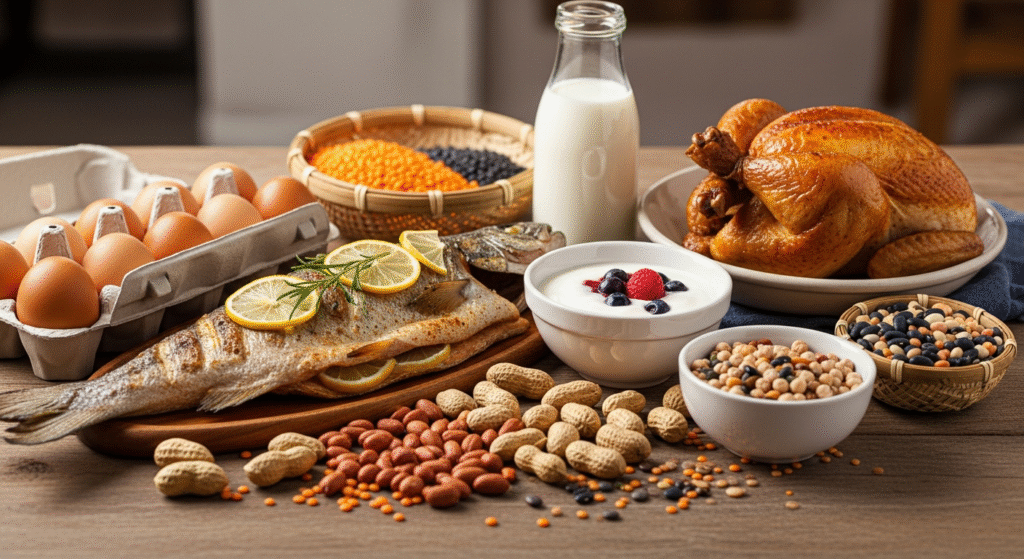
| High-Protein Foods | Eggs, milk, yogurt, cheese, fish, chicken, beans, lentils, peanuts |
| Energy Foods | Rice, wheat, porridge, potatoes, bread |
| Healthy Fats | Butter, ghee, nut-based spreads |
| Fruits & Vegetables | Banana, carrot, papaya, mango, spinach |
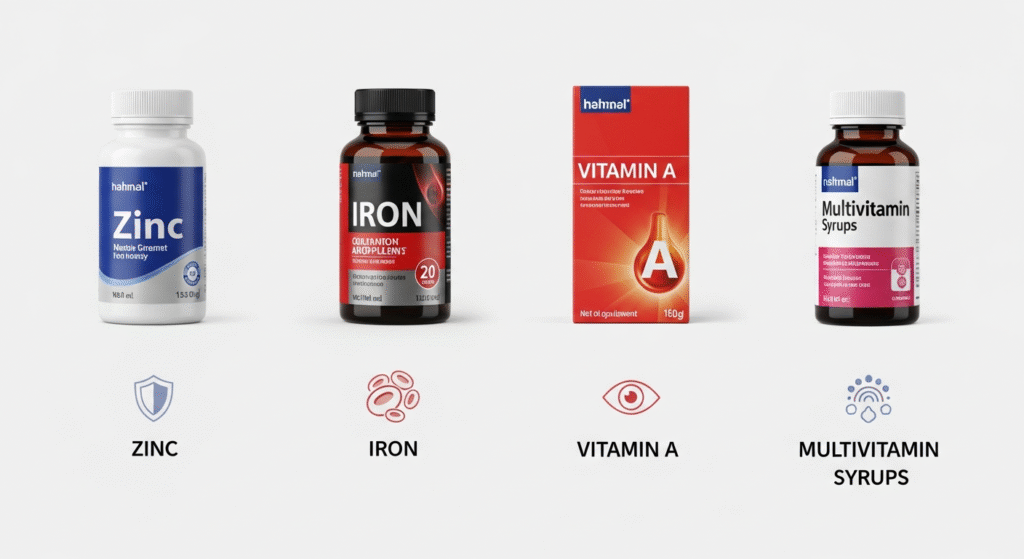
3. Vitamin and Mineral Supplements
To restore lost nutrients, especially:
- Zinc
- Iron
- Vitamin A
- Multivitamin syrups
4. Emotional and Physical Support
Children may need time to recover physically and emotionally.
Prevention of Kwashiorkor
Kwashiorkor can be prevented easily through simple, consistent nutrition practices.
1. Proper Breastfeeding
- Exclusive breastfeeding for at least the first 6 months
- Continue breastfeeding up to 2 years along with solid foods
2. Balanced Diet
Include protein-rich foods in daily meals:
- Eggs, fish, chicken, milk, yogurt, lentils, pulses, beans, peanuts
3. Food Education
Parents should learn:
- How to plan meals
- Which foods contain protein
- How to introduce solid foods gradually
4. Community Nutrition Programs
Schools, clinics, and health workers should conduct awareness sessions.
5. Clean Water & Hygiene
Clean water prevents diarrhea, which worsens malnutrition.
Practical Example of a Daily Protein-Rich Meal Plan for Children
| Meal | Suggested Healthy Options |
|---|---|
| Breakfast | Milk + boiled egg + banana |
| Lunch | Rice/chapati + lentils (dal) + cooked vegetables |
| Snack | Roasted chickpeas or peanuts |
| Dinner | Chicken/fish/bean curry + chapati + yogurt |
Summary
Kwashiorkor is a dangerous form of malnutrition caused by a severe lack of protein. It mostly affects young children in areas where food resources are limited or where parents are unaware of the importance of protein in the diet. The disease leads to swelling, muscle loss, weakness, skin changes, and slow growth. With early diagnosis, proper treatment, and a balanced diet, the child can recover.
Easy Tips for Healthy Nutrition
- Serve at least one protein-rich food in every meal.
- Do not replace breast milk too early.
- Encourage children to eat a variety of foods daily.
- Wash hands before meals and maintain hygiene.
- Learn about local affordable protein sources such as eggs, lentils, peanuts, and beans.
Appoint Doctor:
Book appointment with a Pediatrician here: Pediatrician
What is Kwashiorkor?
Kwashiorkor is a severe form of malnutrition caused by a lack of protein in the diet. It mainly affects young children, leading to swelling (edema), weakness, and slow growth
Who is most at risk of Kwashiorkor?
Children between 1 to 5 years are most at risk, especially in families or communities where there is poverty, food shortage, early weaning, and limited access to protein-rich foods.
What are the main symptoms of Kwashiorkor?
Common symptoms include:
Swollen belly
Thin arms and legs
Dry, peeling skin
Changes in hair color
Weakness and irritability
Poor growth
How is Kwashiorkor treated?
Treatment includes:
Medical care and rehydration
Gradual introduction of protein-rich foods
Vitamin and mineral supplements
Treating infections
Recovery must be done slowly and under medical supervision.
How can Kwashiorkor be prevented?
Kwashiorkor can be prevented by:
Proper breastfeeding
Providing protein-rich meals (milk, eggs, fish, lentils, beans)
Nutrition education for parents
Maintaining hygiene and preventing infections
Pingback: Understanding Anemia: Why Low Hemoglobin Makes You Weak - Health Tips