Viral diseases are among the most common illnesses affecting people around the world. From the common cold and seasonal influenza to more severe infections like COVID-19, Dengue, or Hepatitis, viruses influence global health in every region and population group. Understanding what viruses are, how they spread, and how they affect the human body is essential for protecting individual and community health.
What Are Viruses?
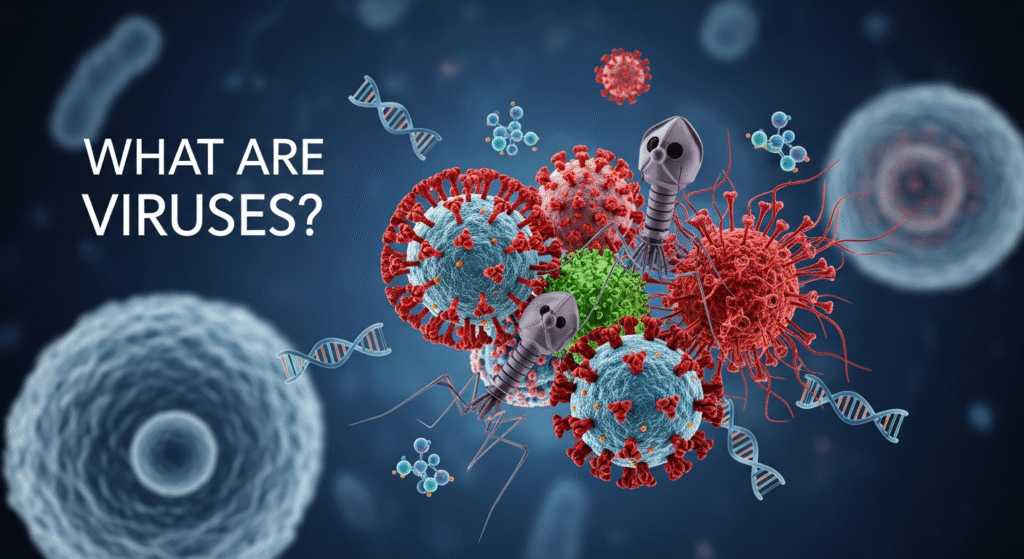
Viruses are extremely tiny infectious agents—much smaller than bacteria—that cannot survive or reproduce on their own. They are made of genetic material (DNA or RNA) covered by a protective protein coat. Unlike bacteria, which can live independently in air, water, soil, and even inside the human body, viruses require a living host cell to multiply.
When a virus enters the body, it attaches to a cell, injects its genetic material, and takes control of the cell’s machinery. The cell is forced to produce more copies of the virus. Eventually, these new viruses spread to other cells, and the infection grows. This process can damage tissues, disrupt organ function, and trigger symptoms of disease.
Also read about this: Viral Diseases
Global Impact of Viral Diseases
Viral diseases affect millions of people every year. Outbreaks often spread quickly, especially in:
- Densely populated cities
- Areas with poor sanitation or limited access to healthcare
- Communities with low vaccination rates
- Populations with weakened immune systems
Pandemics such as COVID-19 have shown how quickly viruses can move across countries and change daily life at a global level. Other viruses, such as Dengue, Flu, Hepatitis, and HIV, continue to affect large populations worldwide.
Remember: https://healthytipspro.com/bacterial-diseases-causes-symptoms-treatment-prevention/
How Viral Diseases Spread
Viruses spread through several pathways:
Airborne Transmission
When an infected person coughs, sneezes, or even talks, tiny droplets containing the virus can be inhaled by others.
Examples: Influenza, COVID-19.
Direct Physical Contact
Touching or hugging an infected person can transfer viruses through skin or body fluids.
Examples: Chickenpox, Herpes.
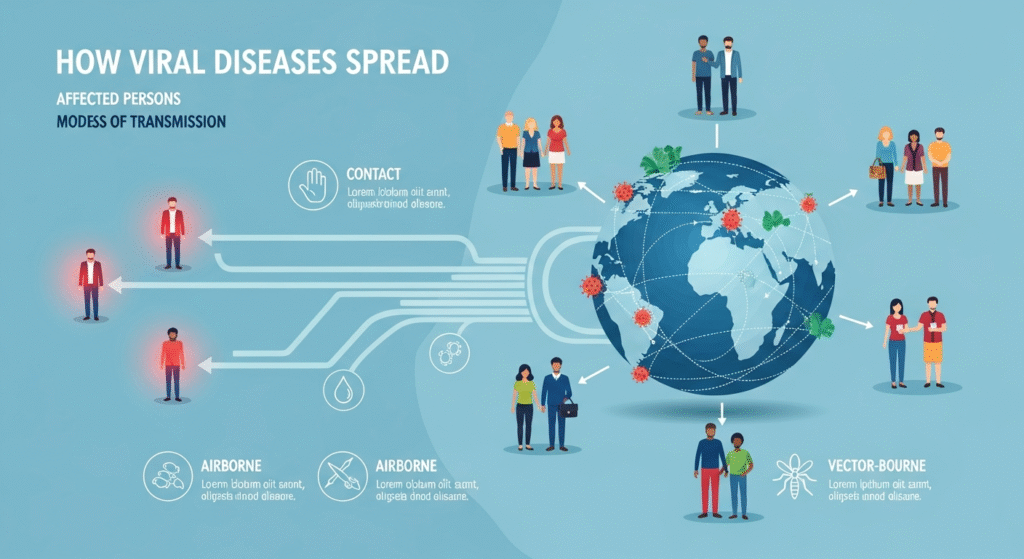
Contaminated Surfaces
Viruses can survive on objects like doorknobs, utensils, keyboards, and phones. Touching these surfaces and then touching your face can cause infection.
Blood and Body Fluids
Some viruses spread through blood transfusion, unprotected sexual contact, or sharing needles.
Examples: HIV/AIDS, Hepatitis B and C.
Mosquitoes and Insects (Vector Transmission)
Mosquitoes can carry viruses from one person to another while feeding on blood.
Examples: Dengue, Zika Virus, Chikungunya.
Contaminated Food or Water
Poor sanitation can allow viruses to enter the digestive system.
Examples: Hepatitis A, Rotavirus.
Common Symptoms of Viral Diseases
Although symptoms vary by infection, many viral illnesses share similar signs:
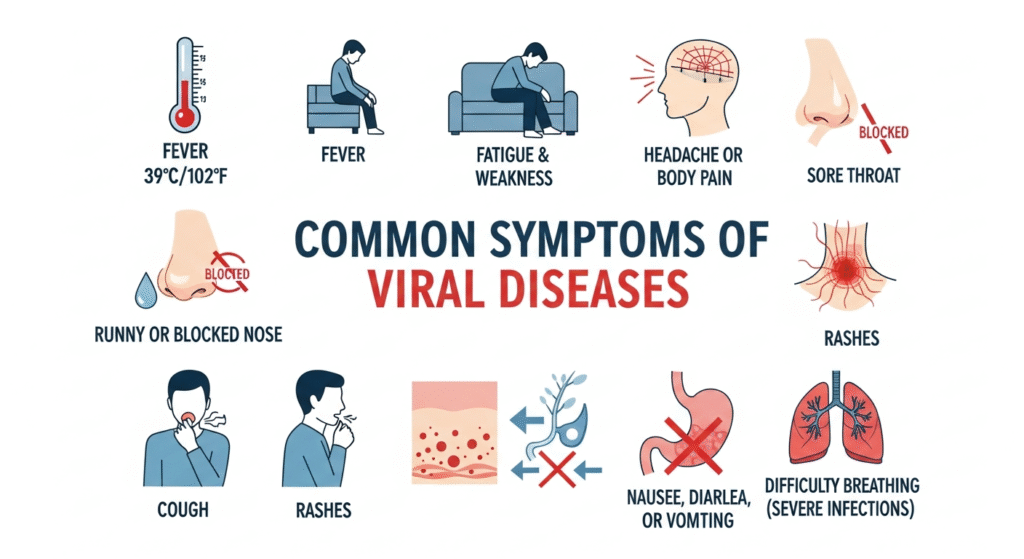
- Fever
- Fatigue and weakness
- Headache or body pain
- Runny or blocked nose
- Sore throat
- Cough
- Rashes
- Nausea, diarrhea, or vomiting
- Difficulty breathing (severe infections)
Some viral diseases are mild and resolve on their own, while others may become life-threatening if not treated promptly.
Major Types of Viral Diseases
1. Respiratory Viral Infections
| Disease | Virus Responsible | How It Spreads | Symptoms | High-Risk Groups |
| Common Cold | Rhinovirus | Air, direct contact | Sneezing, cough, sore throat | Children, elderly |
| Influenza (Flu) | Influenza virus | Airborne droplets | Fever, muscle aches, fatigue | Elderly, pregnant women |
| COVID-19 | SARS-CoV-2 | Airborne, surfaces | Fever, cough, shortness of breath | Chronic disease patients, elderly |
2. Digestive System Viral Infections
| Disease | Virus | Spread | Symptoms | Risk Groups |
| Rotavirus | Rotavirus | Contaminated food/water | Severe diarrhea, vomiting | Infants, young children |
| Norovirus | Norovirus | Food contamination, surfaces | Vomiting, diarrhea | Crowded settings (schools, hospitals) |
| Hepatitis A | Hepatitis A virus | Contaminated food/water | Jaundice, nausea, fatigue | Areas with poor sanitation |
3. Skin and Rash Viral Diseases
| Disease | Virus | Spread | Symptoms | Risk Groups |
| Measles | Measles virus | Airborne | High fever, rash, cough | Unvaccinated children |
| Chickenpox | Varicella-zoster virus | Air/contact | Itchy rash, fever | Children, unvaccinated |
| Hand-Foot-Mouth Disease | Coxsackievirus | Contact, surfaces | Mouth sores, rash | Infants and children |
4. Blood-Borne and Vector-Borne Viral Diseases
| Disease | Virus | Spread | Symptoms | Risk Groups |
| Dengue | Dengue virus | Mosquito | High fever, joint pain | Tropical regions |
| HIV/AIDS | HIV | Blood, sexual contact | Weak immunity, weight loss | Anyone, especially if unsafe practices |
| Hepatitis B/C | HBV/HCV | Blood, body fluids | Liver damage, fatigue | Unscreened transfusion patients |
5. Nervous System Viral Diseases
| Disease | Virus | Spread | Symptoms | Risk Groups |
| Polio | Poliovirus | Contaminated water | Muscle weakness, paralysis | Unvaccinated children |
| Rabies | Rabies virus | Animal bites | Fever, neurological symptoms | People exposed to animals |
| Japanese Encephalitis | JEV | Mosquitoes | Brain inflammation, seizures | Rural Asia regions |
Diagnosis of Viral Diseases
Doctors diagnose viral infections using:
- Physical examination and symptom history
- Blood tests to detect viral markers
- Swab tests or PCR to identify viral genetic material
- Antigen or antibody tests
- X-rays or imaging when complications affect lungs or organs
Early and accurate diagnosis prevents complications and stop further spread.
Treatment of Viral Diseases
Not all viral diseases require medication. Many mild infections improve with:
- Rest
- Drinking plenty of fluids
- Fever and pain relief medicines (as prescribed)
Some infections need antiviral drugs, which slow down viral multiplication.
Severe cases, such as pneumonia, dengue shock, or severe COVID-19, may require hospital care, oxygen therapy, or intensive support.
Why Antibiotics Do NOT Work for Viral Diseases
Antibiotics are designed to kill bacteria, not viruses. Using antibiotics unnecessarily can lead to:
- Drug resistance
- Weaker immune response
- More severe future infections
Antibiotics should only be taken when prescribed by a doctor, never for self-medication.
Prevention and Control of Viral Diseases
- Wash hands frequently with soap
- Avoid touching face with unwashed hands
- Wear masks when sick or in crowded areas
- Drink clean, purified water
- Ensure proper food hygiene and cooking
- Keep surroundings clean to prevent mosquito breeding
- Avoid sharing personal items like towels or razors
- Get vaccinated one of the most effective protections
Vaccines for COVID-19, Polio, Measles, Hepatitis B, Flu, and HPV have proven to save millions of lives.
Conclusion
Viral diseases remain a global health challenge, but with awareness, hygiene, vaccination, and timely medical care, most infections can be prevented or controlled. Understanding how viruses spread and how to protect ourselves empowers families, communities, and healthcare systems.
Staying informed, maintaining cleanliness, and following medical advice are the keys to reducing the burden of viral diseases and keeping societies healthy and strong.
Appoint Doctor:
Book Your Appointment with a General Physician: Click Here
Are viral diseases the same as bacterial diseases?
No. Viral diseases are caused by viruses, while bacterial diseases are caused by bacteria. Viruses need a living cell to reproduce, and antibiotics do not work against them. Bacterial infections can often be treated with antibiotics, but viral infections usually require rest, supportive care, or antiviral medicines.
How can I tell if my sickness is caused by a virus or bacteria?
Many symptoms overlap, so it can be hard to tell on your own. Viral infections usually cause fever, cough, runny nose, and body aches. Bacterial infections often cause more localized symptoms like severe sore throat with pus or persistent fever. A doctor may order tests to know for sure.
Why don’t antibiotics work for viral infections?
Antibiotics are designed to kill bacteria, not viruses. Using them when not needed can cause antibiotic resistance, making future bacterial infections harder to treat. For viral infections, treatment mainly focuses on rest, fluids, and antiviral medications if recommended.
How do vaccines help prevent viral diseases?
Vaccines train the immune system to recognize and fight viruses before they cause illness. This reduces the chance of infection and prevents severe complications. Vaccines for diseases like COVID-19, Polio, Measles, and Hepatitis B have saved millions of lives.
When should I seek medical help for a viral infection?
If symptoms are severe or last longer than a few days such as difficulty breathing, persistent high fever, severe dehydration, or chest pain you should contact a healthcare professional immediately, especially for infants, elderly people, and those with weak immunity.
Pingback: Lifestyle Diseases: Effects of Daily Habits on Your Health