In today’s world, screens are everywhere but we avoid and Take Breaks From Screens. We use our smartphones to wake up in the morning, we work on computers, we relax in front of TVs, and we scroll through social media before bed. Screens help us learn, work, connect, and entertain ourselves but spending too many hours looking at them can affect our body, mind, and emotional well-being more than we realize.
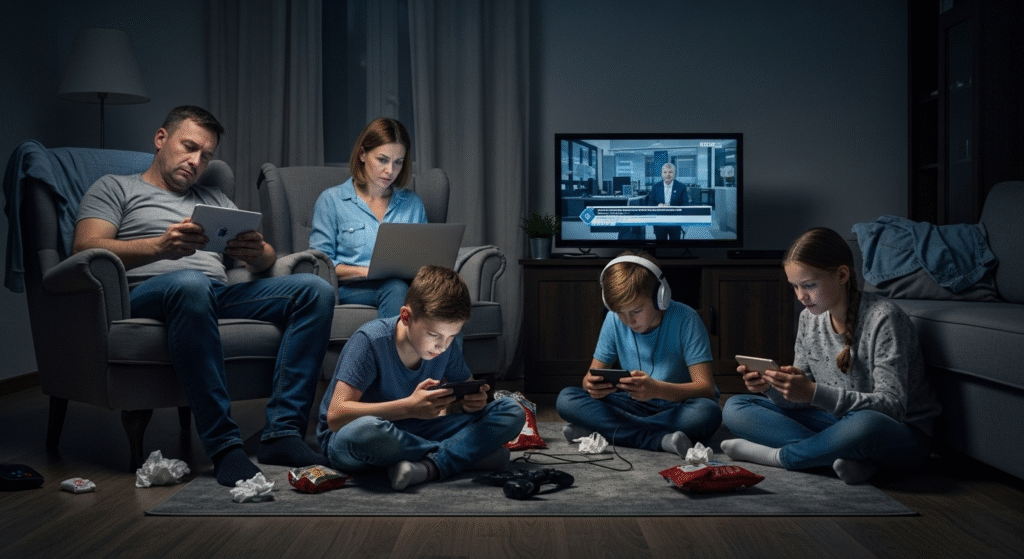
This is why taking breaks from screens is not just a suggestion it’s a simple daily habit that protects your health and boosts your happiness.
Our Bodies Are Not Built for Constant Screen Time
Human beings were created to move, interact, and observe the real world. Our eyes are designed to look at natural distances, not stay locked onto bright screens just inches away. When we stare at screens for long hours, our body works harder than it should.
Too much screen time can lead to:
- Eye strain and blurry vision
- Headaches
- Dry or itchy eyes
- Neck and shoulder pain
- Lower back pain
- Mental tiredness and reduced focus
- Trouble sleeping
- Irritation and mood swings
This experience is known as Digital Fatigue when the brain and body get overwhelmed from constant digital interaction.
Also read about this: Take Breaks From Screens
How Screens Affect the Mind
It’s not just the eyes and muscles that get tired the mind does too.
Screens keep our brain “on” all the time. Notifications, messages, videos, and endless scrolling can overstimulate the brain. This can cause:
- Stress and irritability
- Difficulty focusing
- Feeling overwhelmed
- Anxiety
- Mental exhaustion

When we take breaks from screens, the brain gets a chance to reset, relax, and restore its ability to think clearly.
Digital Wellness Lifestyle
A digital wellness lifestyle is about creating a healthy balance between the time we spend on screens and the time we spend living offline. In the modern world, technology is a big part of daily life work, study, entertainment, and social connection all often happen online. While technology brings convenience and opportunity, overuse can affect our physical health, mental well-being, relationships, and productivity. Digital wellness focuses on using technology mindfully, rather than letting it control our habits, mood, or time.
One of the biggest challenges today is constant connectivity. Notifications, social media updates, and online messaging keep our minds active even when our bodies are at rest. This continuous digital noise can lead to mental exhaustion, also known as digital fatigue. People may feel irritated, anxious, overwhelmed, or unable to focus. Developing digital wellness habits helps the mind relax and improves emotional clarity.
A digital wellness lifestyle begins with awareness noticing how much time we spend on screens and how it affects us. Simple steps like checking screen-time statistics, reducing unnecessary app alerts, or setting time limits for social media can help. The goal is not to remove screens completely, but to use them with purpose.
Remember:https://healthytipspro.com/move-your-body-every-day/
How Screens Affect Sleep
Many people scroll their phones right before sleeping, without realizing this habit can disturb their rest.
Screens release blue light, which reduces the production of melatonin the hormone that helps you sleep.
This makes it harder to fall asleep, and you may wake up feeling tired even after a full night.
Taking breaks from screens especially 1 hour before bedtime allows your body to transition into rest mode naturally.
The 20-20-20 Rule (Simple and Effective)
One of the easiest ways to protect your eyes and mind is the 20-20-20 rule:
Every 20 minutes, look at something 20 feet away for 20 seconds.
This relaxes the eye muscles and gives your mind a micro-break.
It takes only 20 seconds, but the difference is powerful.
Benefits of Taking Breaks From Screens
Taking short, regular breaks helps your:
- Eyes: Reduces dryness, strain, and headaches.
- Body: Encourages better posture, movement, and blood circulation.
- Brain: Refreshes thoughts and improves clarity.
- Mood: Reduces irritability and emotional stress.
- Sleep: Improves sleep quality and morning energy. Even 5-minute breaks every hour can make you feel more awake, more relaxed, and more focused.
Healthy Screen Habits You Can Start Today
You don’t need to completely avoid screens you just need balance.
Here are simple, realistic habits for better screen time balance:
- Blink More Often: When staring at screens, we blink less causing dry eyes. Make blinking conscious.
- Stretch Every Hour; Roll your shoulders, stretch your neck, stand and walk for a minute.
- Adjust Your Screen Distance: Keep your screen at least an arm’s length away.
- Use Blue Light Filter: Turn on Night Mode or use blue light glasses especially in the evening.
- Take Screen-Free Meals: Put your phone away when eating. Enjoy food mindfully.
- Set “No-Screen Time” Before Bed: Aim for 30–60 minutes of screen-free time before sleeping.
Movement Helps Reduce Screen Stress
Screens keep us still, but our bodies need movement.
So whenever you take a screen break, try to move:
- Walk to get water
- Stretch your arms and back
- Do shoulder rotations
- Roll your eyes slowly to relax eye muscles
Movement refreshes the body and increases energy flow.
Screen Breaks Improve Emotional Health
When we spend too much time in digital worlds, we may disconnect from real relationships, real conversations, and real experiences.
Taking screen breaks helps you:
- Be more present
- Notice your surroundings
- Listen to others with attention
- Feel connected and supported
This improves mental health and screen use balance, making daily life feel calmer and more meaningful.
Small Habits Today Shape Your Future Health
You don’t have to change everything at once.
Start with one small step maybe take a 2-minute break every hour.
Once you feel the benefits, your body will naturally want more.
Even these small moments of rest can:
- Protect your vision
- Improve your mood
- Increase energy
- Make your mind sharper
- Help you sleep better
- Reduce stress and digital fatigue
Your body will thank you.
Conclusion
Screens are a powerful tool they connect us, teach us, and entertain us. But like anything in life, balance is key. When we spend too much time looking at screens, our eyes, mind, and body can get tired and overwhelmed.
Taking short, meaningful breaks gives your body the chance to restore calm, clarity, and health.
Remember:
Even small screen breaks daily can make a big difference in how you feel.
Your health matters and you deserve to feel well.
Appoint Doctor:
If you’re experiencing eye strain, headaches, or sleep problems from screen use, schedule an appointment with a healthcare professional today for personalized guidance and support: Ophthalmologist
How often should I take screen breaks?
Take a short break every 20–30 minutes, even if it’s just for a few seconds.
Can screen time affect my sleep?
Yes, screens reduce melatonin and make it harder to fall asleep. Avoid screens at least 30–60 minutes before bed.
What is the easiest way to reduce eye strain?
Use the 20-20-20 rule and blink more often.
Are blue light glasses helpful?
Yes, they can reduce eye strain and help you sleep better by blocking harsh blue light.