Maintain Good hygiene is more than just cleaning the body. It is a way of caring for yourself, respecting your health, and building confidence from the inside out. When we talk about hygiene, we often think of bathing or brushing teeth, but it goes beyond that. Hygiene includes the habits you follow every day to protect yourself from germs, stay fresh, feel comfortable, and maintain both physical and emotional wellbeing.
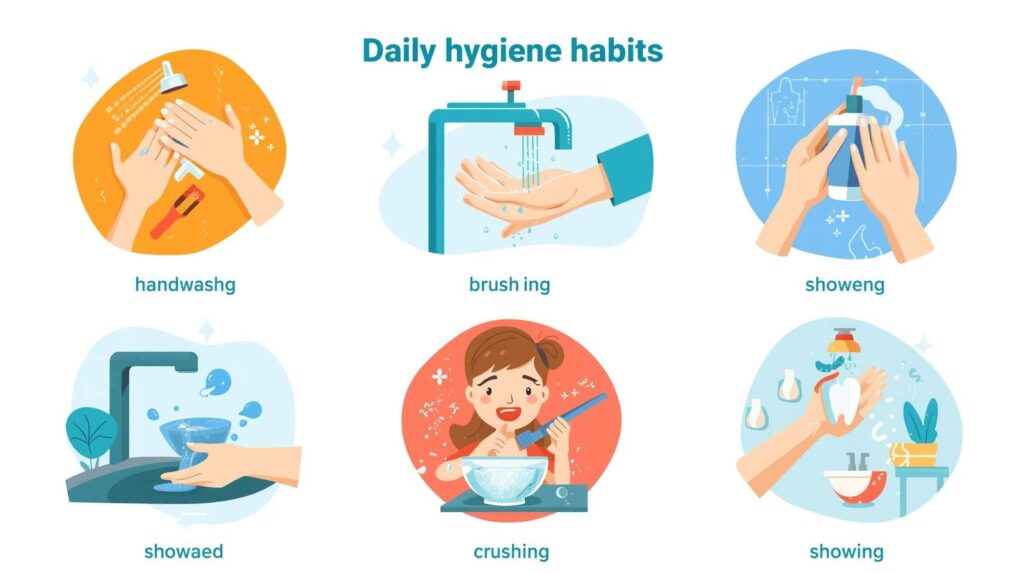
In simple words, hygiene means choosing to protect your health through cleanliness.
And the best part? Maintaining hygiene does not require expensive products or complicated routines. Small, everyday actions can make a huge difference in how you look, feel, and function.
Remember:https://healthytipspro.com/avoid-smoking-and-limit-alcohol/
Why Is Good Hygiene Important?
Imagine going about your day feeling clean, fresh, and confident. You feel good meeting people, working, studying, or even relaxing. Good hygiene supports both the mind and body.
Here are some important benefits:
- Prevents diseases and infections
- Keeps skin healthy and odor-free
- Supports dental and digestive health
- Boosts confidence and self-respect
- Improves relationships and social comfort
- Creates a positive and energetic mindset
When the body is clean, the mind becomes clearer. You stand a little taller, smile a little brighter, and feel more in control of your life.
Also read about this: Maintain Good Hygiene
Key Daily Hygiene Habits Everyone Should Practice
These habits are simple and suitable for all age groups:
- Bathing Regularly: Take a bath daily to remove sweat, dirt, and bacteria from the skin. Bathing also refreshes the mind and helps you feel energized. Use a gentle soap and ensure you dry your skin well afterward.
- Brushing and Flossing Teeth: Your smile is one of the first things people notice. Brush your teeth twice a day and floss once a day to remove food particles and prevent cavities, gum disease, and bad breath.
- Washing Hands Often: Hands carry germs from surfaces to your mouth, eyes, and food. Wash your hands:
- Before eating
- After using the bathroom
- After touching surfaces outside
- A 20-second hand wash with soap can prevent many infections.
- Keeping Nails Clean: Dirt and bacteria collect under nails. Trim nails weekly and keep them clean to avoid infections and maintain neatness.
- Wearing Clean Clothes: Sweaty or dirty clothes can cause skin irritation or bacterial infections. Change clothes daily, especially undergarments.
- Keeping Living Space Clean: Your room, bed sheets, and surroundings affect your breathing, sleep quality, and mental peace. Clean regularly to reduce dust and germs.

The Emotional Side of Good Hygiene
Cleanliness is closely connected to emotional health. When your body feels clean, your mind feels lighter and calmer. You walk with more confidence, interact more comfortably, and feel proud of your personal care. Good hygiene is also a sign of self-love — it shows that you value your own wellbeing.
Many people say:
“When I take care of myself, I feel stronger and happier.”
This is the power of hygiene it improves both health and happiness.
Disease Caused by Poor Hygiene (and How to Treat Them)
Ignoring hygiene can open the door to infections and health issues. Below are common problems and easy treatment options:
Skin Infections (Rashes, Fungus, Boils)
When sweat, dirt, and bacteria stay on the skin, they can cause rashes, itchy patches, or fungal infections such as ringworm.
Treatment:
- Keep the affected area clean and dry
- Use antifungal cream (like clotrimazole)
- Wear loose, breathable clothes
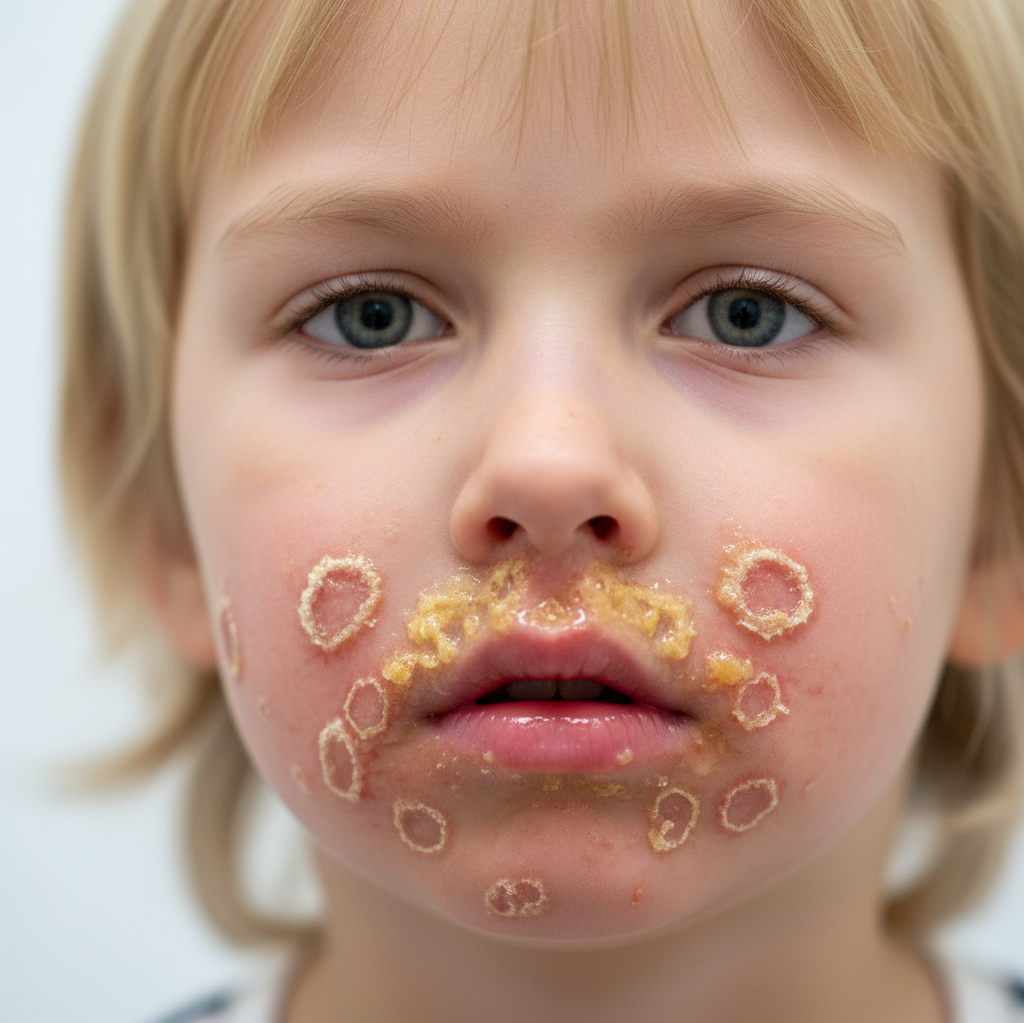
Prevention: Bath daily and change sweaty clothes immediately.
Dental Problems (Cavities & Gum Disease)
Not brushing regularly allows bacteria to damage teeth, causing pain, swelling, and bad breath.
Treatment:
- Brush twice daily with fluoride toothpaste
- Visit a dentist for cleaning or fillings
- Avoid sugary snacks at night
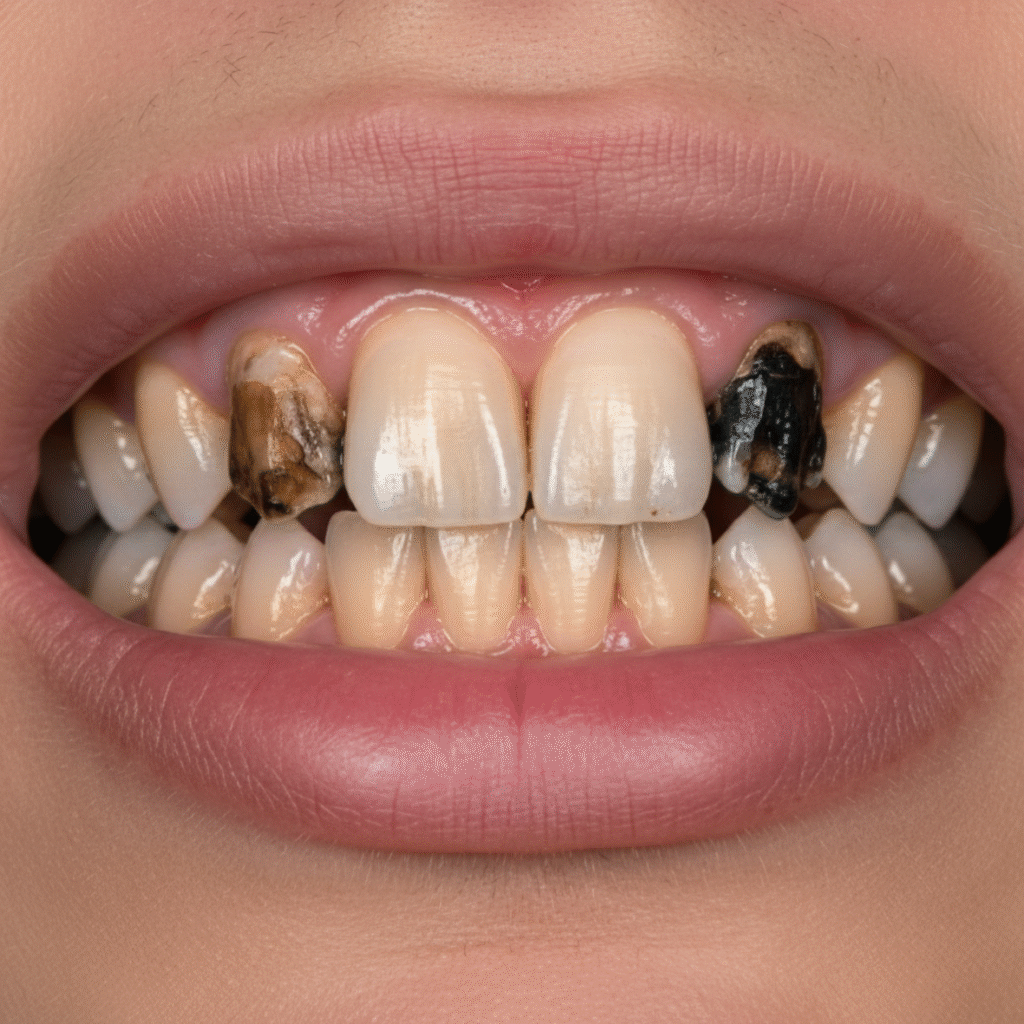
Prevention: Maintain daily oral hygiene and drink plenty of water.
Diarrhea & Stomach Infections
Dirty hands can transfer germs to food. Eating with unwashed hands is one of the main causes of diarrhea.
Treatment:
- Drink clean water and ORS to prevent dehydration
- Avoid spicy or heavy food until recovery
- Consult a doctor if symptoms last more than 2 days
Prevention: Always wash hands before eating or cooking.
Head Lice
Sharing combs, hats, or not washing hair regularly can lead to lice infestation, itching, and scalp irritation.
Treatment:
- Use medicated anti-lice shampoo
- Wash bedding and clothing in hot water
- Avoid sharing hair accessories
Body Odor
Sweat mixed with bacteria creates unpleasant smells.
Treatment:
- Bath daily with antibacterial soap
- Use deodorant or alum to reduce sweat odor
- Wear cotton clothing to help skin breathe
Conclusion:
Maintaining good hygiene is not just about looking clean it is a powerful form of self-care. It keeps you safe from diseases, strengthens your confidence, and improves your quality of life. Every small habit you practice daily is a step toward a healthier, happier you.
When you choose cleanliness, you choose health, dignity, and confidence.
Appoint Doctor:
If you are experiencing any hygiene-related skin issues, infections, or dental problems, book an appointment with a qualified healthcare professional today your health deserves care and attention.https://www.apkamuaalij.com/
Why is maintaining good hygiene important?
Maintaining good hygiene helps protect the body from germs, bacteria, and infections. It also improves your appearance, boosts confidence, and helps you feel fresh and energetic throughout the day.
How often should I take a bath or shower?
Taking a bath daily is ideal, especially in hot or humid weather. If you sweat a lot or are physically active, bathing twice a day can help prevent body odor and skin problems.
What is the most important hygiene habit for preventing illness?
using the bathroom, and after being in public places helps prevent many common infections, including stomach and flu-related illnesses.
How can I help children learn good hygiene habits?
favorite toothbrush, show them how to shower properly, and appreciate them when they follow hygiene rules.
Can poor hygiene affect mental health?
Yes. When hygiene is neglected, people may feel less confident, withdrawn, or worried about social interactions. Keeping clean helps improve self-esteem and supports emotional and mental well-being.
Pingback: Stay Connected with Loved Ones - Health Tips