Lifestyle diseases are health conditions that develop gradually over time due to the daily habits and choices we make. Unlike infectious diseases, which are caused by bacteria or viruses and spread from person to person, lifestyle diseases occur because of unhealthy behaviors, poor diet, lack of exercise, stress, and harmful addictions. These diseases are closely linked to modern living, busy routines, and increasing dependence on technology.
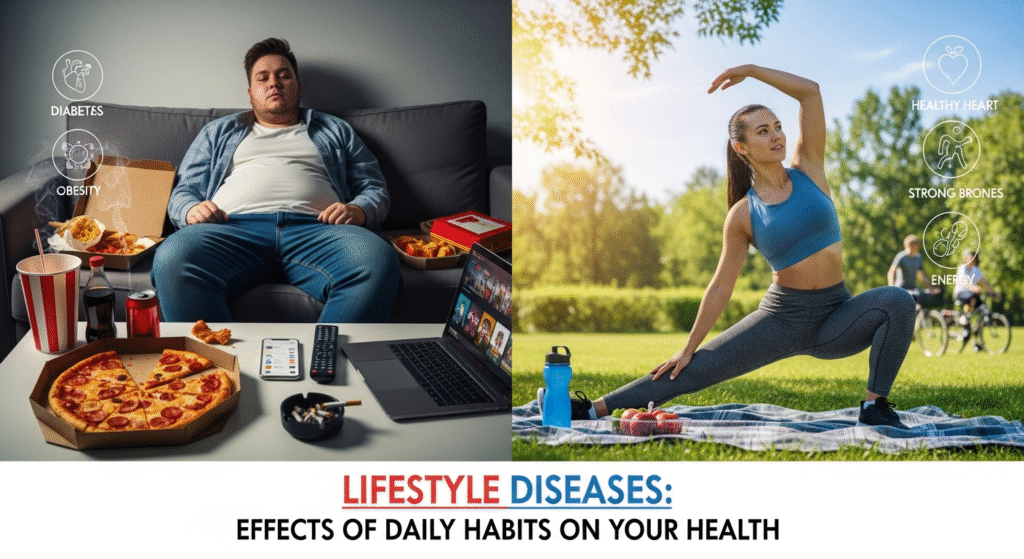
In today’s fast-moving world, many people eat processed foods, sit for long hours, sleep less, and experience ongoing mental stress. Over time, these habits strain the body’s natural balance, leading to chronic health problems. Lifestyle diseases are now one of the leading causes of illness and death worldwide, affecting both adults and young people.
Why Are Lifestyle Diseases Increasing?
The rise in lifestyle diseases is strongly connected to changes in the way people live today. Factors include:
- Urbanization and desk-based jobs
- Easy access to fast food and packaged snacks
- Reduced physical activity due to cars and screens
- Higher stress due to study, work pressure, and social expectations
These changes affect metabolism, heart health, blood sugar levels, hormonal balance, and mental well-being.
Also read about this: Lifestyle Diseases
Major Causes of Lifestyle Diseases
Unhealthy Diet and Junk Food
Foods high in sugar, salt, and unhealthy fats cause weight gain, high blood pressure, and increased cholesterol. Processed foods also lack essential nutrients.
Lack of Physical Activity
Sitting for long hours weakens muscles, slows metabolism, and leads to obesity and diabetes.
Excessive Screen Time and Sedentary Behavior
Mobile phones, computers, and televisions reduce movement and disrupt sleep cycles.
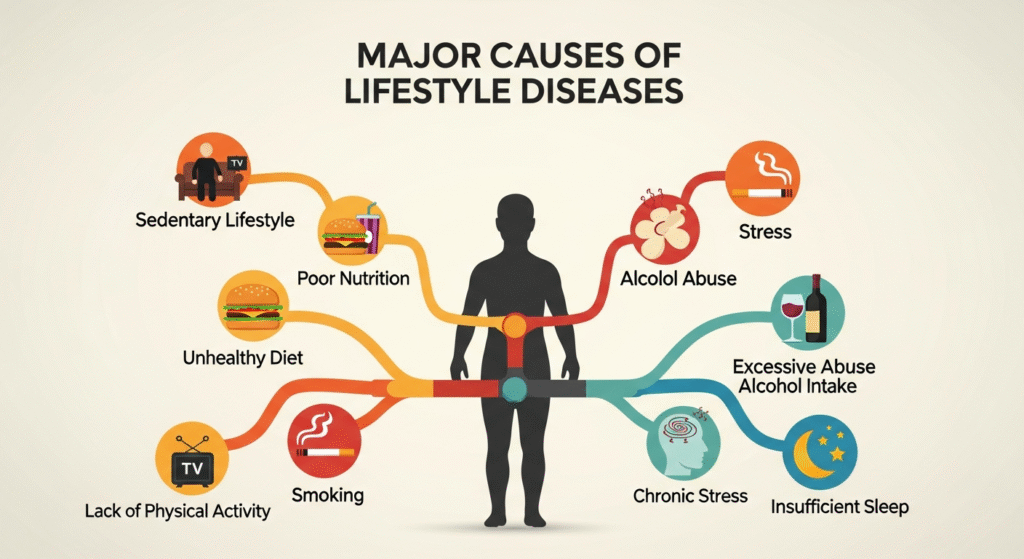
Smoking, Alcohol, and Drug Use
These habits damage the lungs, liver, heart, brain, and immune system.
Poor Sleep Habits
Inadequate sleep leads to hormonal imbalance, weight gain, irritability, and reduced immunity.
Chronic Stress and Emotional Disturbances
Stress increases levels of cortisol (stress hormone), leading to high blood pressure, anxiety, and depression.
Remember: https://healthytipspro.com/understanding-viral-diseases-and-how-they-spread/
How Lifestyle Diseases Differ from Infectious Diseases
| Feature | Lifestyle Diseases | Infectious Diseases |
| Cause | Unhealthy habits and choices | Germs (bacteria, viruses, fungi) |
| Spread | Do not spread from person to person | Can spread between people |
| Development | Slow and long-term | Often quick or sudden |
| Prevention | By lifestyle modification | By hygiene and vaccination |
Lifestyle diseases are preventable, but they require awareness and commitment to healthy living.
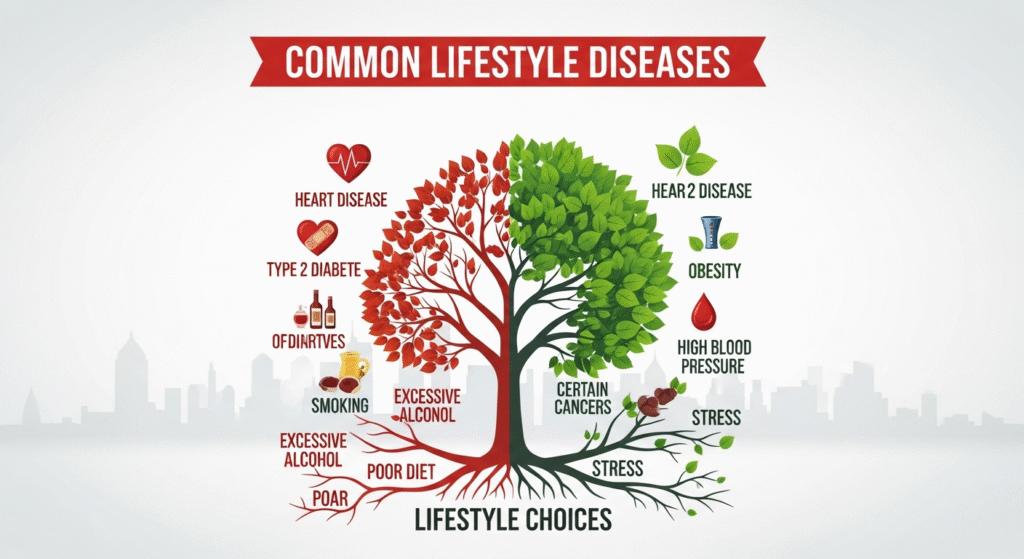
Common Lifestyle Diseases (Explained Clearly)
Obesity
Cause: Excess calorie intake and low physical activity.
Symptoms: Weight gain, fatigue, joint pain, breathlessness.
Risk Groups: School-going children, office workers, people who sit for long hours.
Type 2 Diabetes
Cause: High sugar intake, obesity, poor diet, genetics.
Symptoms: Increased thirst, frequent urination, tiredness, slow wound healing.
Risk Groups: Adults above 35, overweight persons, those with a family history.
Hypertension (High Blood Pressure)
Cause: High salt diet, stress, obesity, lack of exercise.
Symptoms: Headaches, dizziness, chest discomfort—but often silent.
Risk Groups: Elderly, obese adults, stressed individuals.
Heart Disease
Cause: High cholesterol, smoking, diabetes, high blood pressure.
Symptoms: Chest pain, breathlessness, fatigue, swelling in legs.
Risk Groups: Men over 40, women after menopause, smokers.
Stroke
Occurs when blood supply to part of the brain is blocked.
Symptoms: Sudden weakness, trouble speaking, facial drooping.
Risk Groups: High blood pressure, smokers, heart patients.
High Cholesterol
Cause: Fat-rich diet, fried foods, meat-heavy meals.
Symptoms: Often no symptoms until severe.
Risk Groups: Adults with unhealthy diet patterns.
Fatty Liver Disease
Cause: Excess fat, alcohol, sugary drinks, obesity.
Symptoms: Weakness, abdominal discomfort, elevated liver enzymes.
Risk Groups: Overweight adults, alcohol users.
Certain Cancers
Linked to smoking, processed meats, alcohol, pollution, and lack of antioxidants.
Common Types: Lung, colon, breast cancer.
Stress-Related Mental Health Disorders
Cause: Emotional strain, workload, social pressure.
Symptoms: Anxiety, sadness, mood swings, insomnia.
Risk Groups: Students, working professionals, caregivers.
Diagnosis of Lifestyle Diseases
Doctors use multiple methods to assess lifestyle-related health risks:
- Medical History and Physical Examination
- Blood Tests (Blood sugar, cholesterol profile, liver function tests)
- Blood Pressure Check
- BMI (Body Mass Index) and Waist Measurement
- ECG or Imaging for heart and organ assessment in severe cases
Early diagnosis helps prevent serious complications.
Treatment Approach: Improving Lifestyle is Key
Balanced Diet
- Reduce sugar and salt
- Eat more fruits, vegetables, whole grains, and lean proteins
- Avoid deep-fried and processed foods
Regular Exercise
Aim for 30 minutes daily of:
- Brisk walking
- Cycling
- Swimming
- Yoga or stretching
Stress Management
Practice:
- Meditation
- Deep breathing
- Prayer or relaxation activities
- Nature walks
Healthy Sleep Routine
- Sleep 7–8 hours daily
- Reduce screen time at night
- Maintain a fixed sleep schedule
Quit Smoking and Limit Alcohol
These substances damage organs and worsen disease progression.
Medications (When Necessary)
Doctors may prescribe medicines to control:
- Blood pressure
- Diabetes
- Cholesterol levels
- Heart function
Never self-medicate.
Small Daily Habits Make a Big Difference
- Eat nutritious home-cooked food
- Drink 6–8 glasses of water daily
- Limit sugary drinks and fast food
- Break long sitting periods by standing or stretching
- Exercise regularly
- Maintain a healthy body weight
- Get regular medical checkups
- Maintain a positive mindset and manage emotional stress
Great! Here is a simple, daily, easy-to-follow Healthy Routine Chart that anyone can apply. It is designed to prevent lifestyle diseases, boost energy, and improve overall wellbeing.
Daily Healthy Routine Chart (Morning to Night)
| Time | Activity | What to Do | Benefits |
| 6:00 – 7:00 AM | Wake Up & Hydrate | Drink 1–2 glasses of water | Rehydrates body, starts metabolism |
| 7:00 – 7:30 AM | Light Exercise | Stretching + 10 min walk / Yoga | Improves blood flow & reduces stress |
| 7:30 – 8:00 AM | Healthy Breakfast | Oats / Eggs / Fruit / Whole Grain | Provides balanced energy |
| 9:00 AM – 12:00 PM | Work/Study Period | Take short breaks every hour | Prevents mental fatigue |
| 12:30 PM | Lunch | Half plate vegetables + Lean protein + Whole grain | Controls weight and sugar levels |
| 1:30 – 2:00 PM | Short Walk | 10–15 minute walk after eating | Helps digestion & prevents fat storage |
| 3:00 – 4:00 PM | Healthy Snack | Nuts, fruit, yogurt, or herbal tea | Avoids junk food cravings |
| 5:00 – 6:00 PM | Exercise Time | Walk, jog, cycling, or gym | Strengthens heart & muscles |
| 7:30 PM | Dinner | Light meal (vegetables + soup) | Improves sleep and digestion |
| 8:30 – 9:00 PM | Relaxation | Read, pray, meditate, or stretch | Reduces stress hormones |
| 9:30 – 10:30 PM | Sleep | Aim for 7–8 hours | Restores body & boosts immunity |
Additional Daily Health Rules
- Drink 8–10 glasses of water
- Avoid junk food, fast food, and sugary drinks
- Limit screen time (especially at night)
- Make movement a part of your day (take stairs, short walks)
- Practice deep breathing for calm mind and heart health
Quick Healthy Plate Formula
Half plate = Vegetables
Quarter plate = Whole grains (rice, roti, oats)
Quarter plate = Protein (egg, fish, dal, chicken, beans)
Doctor’s Role in Treating Lifestyle Diseases
Doctors play a key role in identifying, preventing, and managing lifestyle diseases such as diabetes, hypertension, heart disease, obesity, and high cholesterol. These conditions develop slowly, so the doctor’s guidance can prevent them from becoming serious.
Early Detection and Diagnosis
Doctors examine:
- Medical history
- Daily habits and stress levels
- Weight, BMI, and blood pressure
- Blood tests (sugar, cholesterol, liver function, etc.)
This helps identify the disease at an early stage, when it is easiest to control.
Counseling for Healthy Habits
Doctors guide patients about:
- What to eat and what to avoid
- How to maintain a balanced routine
- How much and what type of exercise to do
- Stress management and sleep improvement
They help the patient change lifestyle step-by-step, not suddenly.
Creating Personalized Treatment Plans
Every patient is different.
The doctor designs a treatment plan that fits:
- Age
- Weight
- Job type (student, office job, labor work)
- Existing diseases
This ensures the treatment is safe and effective.
Prescribing Medicines (When Needed)
If lifestyle changes are not enough:
- Diabetes → Sugar control medicines / insulin
- Hypertension → BP control medicines
- High Cholesterol → Statins or other lipid-lowering drugs
Doctors make sure:
- No harmful side effects
- Correct time
- Correct dose
Monitoring Progress
Doctors check improvement through follow-up visits and blood tests.
They adjust treatment based on progress to:
- Improve energy levels
- Prevent organ damage (heart, kidneys, liver, eyes)
Educating and Motivating Patients
Doctors teach patients why health changes are important.
They provide motivation because lifestyle change takes time and patience.
Example:
“Walk daily for 30 minutes it will help control your sugar, weight, and sleep.”
Preventing Future Complications
Lifestyle diseases can lead to:
- Heart attack
- Stroke
- Kidney failure
- Nerve damage
- Vision loss
Doctors help prevent these complications through early care and regular monitoring.
Summary
| Role of Doctor | Why It Matters |
| Early Diagnosis | Detect disease before damage starts |
| Lifestyle Guidance | Helps build healthier habits |
| Personalized Treatment | Safer and more effective recovery |
| Medication Management | Prevents uncontrolled disease |
| Progress Monitoring | Keeps health stable long-term |
| Prevention | Protects heart, kidneys, brain, and overall life quality |
Conclusion
Lifestyle diseases are largely preventable. They develop slowly, but with awareness and consistent effort, they can be controlled even reversed. The key is to make small, steady changes in everyday habits: eating balanced meals, staying active, sleeping well, managing stress, and avoiding harmful substances. A healthy lifestyle not only adds years to your life it improves your energy, confidence, and happiness every day.
Your health is in your hands. Start with one small change today.
Appoint Doctor:
Book Appointment with a Lifestyle Disease Specialist: General Physician
What is the most important step to prevent lifestyle diseases?
The most important step is consistency in healthy habits eat a balanced diet, exercise daily, get proper sleep, stay hydrated, manage stress, and avoid smoking or alcohol. Small daily improvements create long-term health benefits.
How do I know if I have a lifestyle disease?
You may notice symptoms like weight gain, fatigue, high blood pressure, increased thirst, shortness of breath, joint pain, or anxiety. To confirm, doctors use blood tests, blood pressure checks, and physical examinations.
Who is most at risk of lifestyle diseases?
People who are physically inactive, eat fast or processed foods frequently, have high stress, sleep less, or have a family history of chronic disease are at higher risk. Office workers and students with long sitting hours are also vulnerable.
Can lifestyle diseases be reversed?
Yes, many lifestyle diseases can be improved or even reversed through healthy changes such as eating balanced meals, exercising regularly, managing stress, and quitting smoking or alcohol. However, some conditions may require medication under medical supervision.
What are lifestyle diseases?
Lifestyle diseases are health problems that develop over time due to daily habits such as poor diet, lack of exercise, stress, smoking, and insufficient sleep. They are not caused by germs and do not spread from person to person.
Pingback: Mental Disorder Illness