Stress is something everyone experiences. Manage Stress Naturally body’s natural response to challenges, pressure, or unexpected events. A little bit of stress can actually be helpful it pushes you to focus and take action. But when stress becomes constant, it can harm both your mental and physical health.
When you’re stressed for a long time, your body releases stress hormones like cortisol. Too much of this hormone can lead to problems such as anxiety, fatigue, headaches, high blood pressure, and sleep issues. It can also weaken your immune system and affect your mood. That’s why learning how to manage stress naturally is so important not just for your mind, but for your whole body.
What Stress Does to Your Body and Mind
Stress affects everyone differently, but here are some common ways it can show up:
- Physical signs: Headaches, muscle tension, tiredness, stomach problems, or rapid heartbeat.
- Emotional signs: Feeling anxious, irritable, sad, or easily overwhelmed.
- Behavioral signs: Overeating, sleeping too much or too little, withdrawing from others, or relying on unhealthy habits like smoking or junk food.
If stress is left unmanaged, it can lead to serious conditions like heart disease, depression, or digestive issues. That’s why it’s important to take small, daily steps to keep stress under control before it controls you.
Perfect you’ve listed excellent SEO-rich keywords that fit beautifully into a single, high-quality article on natural stress relief and relaxation.
Here’s a unique, human-written, 1000-word article using all your keywords naturally and meaningfully perfect for blogs, websites, or wellness pages.
Also read about more: Manage Stress Naturally
Natural Ways to Relieve Stress
In today’s fast-paced world, stress seems almost impossible to avoid. From work pressure to everyday responsibilities, our minds and bodies are constantly on alert. But the good news is you can manage stress naturally, without depending on medication. By using relaxation techniques, mindfulness and meditation, breathing exercises, and other natural methods, you can restore calm and balance in your life.
Let’s explore the best natural stress relief techniques that truly work backed by both tradition and modern science.
Remember:https://healthytipspro.com/importance-of-good-health/
Relaxation Techniques:
Relaxation techniques are simple yet powerful ways to help your body release tension and your mind find peace. When you practice relaxation regularly, you lower your heart rate, calm your breathing, and reduce anxiety naturally.
Try these easy methods:
- Progressive muscle relaxation: Gently tighten and release different muscles in your body, from your toes to your shoulders.
- Visualization: Close your eyes and imagine yourself in a peaceful place like a quiet beach or a mountain forest.
- Listening to calming music or nature sounds: Soft background sounds can slow down your thoughts and create instant relaxation.
These small daily habits can have a big impact on your overall mood and energy.
Herbal Remedies for Stress:
For centuries, people have used herbal remedies for stress and relaxation. Many herbs have calming properties that support both body and mind. Here are a few you can try (after consulting your healthcare provider):
- Chamomile tea: promotes relaxation and better sleep.
- Ashwagandha: helps balance stress hormones and increase energy.
- Lavender: reduces anxiety and supports restful sleep.
- Lemon balm: gently soothes the nervous system.
- Green tea: contains L-theanine, which promotes relaxation without drowsiness.
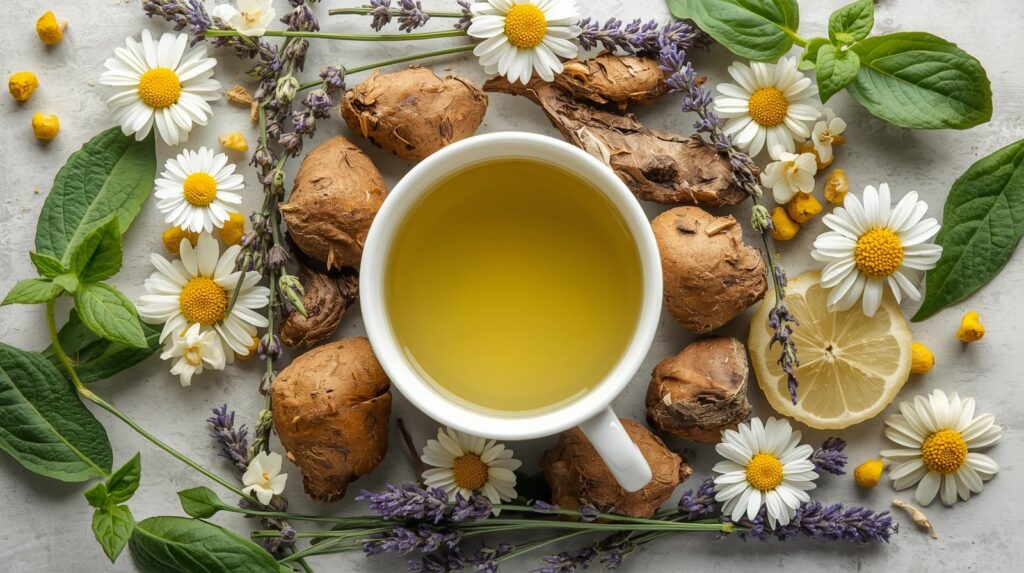
These natural herbs can be taken as teas, capsules, or essential oils depending on your preference.
Breathing Exercises for Relaxation
Your breath is one of the most powerful tools for stress relief and relaxation. When you’re stressed, your breathing becomes fast and shallow. Learning to control it can instantly calm your mind.
Try this simple 4-7-8 breathing technique:
- Inhale through your nose for 4 seconds.
- Hold your breath for 7 seconds.
- Exhale slowly through your mouth for 8 seconds.
Repeat this 4–5 times. You’ll feel your heart rate slow down and your body start to relax.
Breathing exercises are free, easy, and effective and they can be done anywhere, anytime.
Yoga for Stress Relief
Yoga for stress relief combines physical movement, deep breathing, and mindfulness making it a complete stress management practice. Gentle yoga poses like child’s pose, legs up the wall, and cat-cow stretch help release physical tension while promoting mental clarity.
Yoga improves flexibility, lowers blood pressure, and increases serotonin (the “happy” hormone). Even a short 15-minute yoga session can make you feel calmer and more centered.
Essential Oils for Stress:
Essential oils for stress relief are a gentle and pleasant way to relax your body and mind. Aromatherapy uses natural plant extracts to promote emotional wellbeing.
Try these popular oils:
- Lavender: Helps calm nerves and support sleep.
- Peppermint: Refreshes the mind and boosts energy.
- Rose: Encourages feelings of peace and comfort.
- Ylang Ylang: Reduces tension and promotes relaxation.
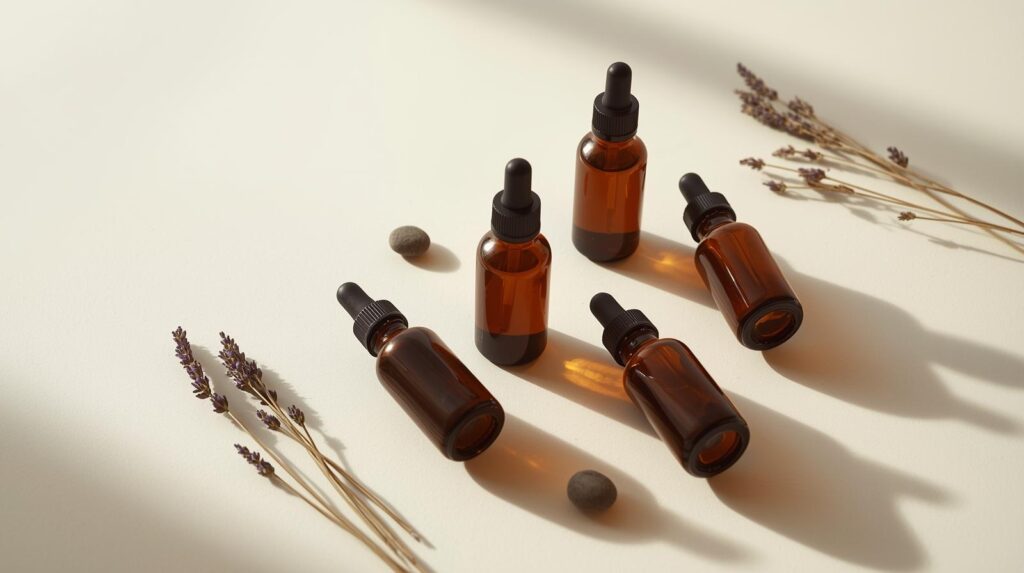
Add a few drops to a diffuser, warm bath, or your pillow for instant calm.
Stress Relief Foods:
Food has a big impact on how you feel. Some stress relief foods contain nutrients that support your brain and balance mood.
Include these in your diet:
- Dark chocolate: rich in antioxidants that improve mood.
- Oats and whole grains: stabilize blood sugar and energy levels.
- Berries: packed with vitamin C and antioxidants that fight stress.
- Nuts and seeds: provide magnesium, which helps relax muscles.
- Leafy greens: reduce inflammation and support brain health.

Avoid excess caffeine, sugary snacks, and processed foods, which can make anxiety worse.
Holistic Stress Management:
Holistic stress management means taking care of your mind, body, and spirit together. It’s not about fixing just one symptom it’s about building a balanced lifestyle that supports your overall well-being.
Holistic methods include:
- Combining mindfulness, exercise, and nutrition.
- Keeping your environment peaceful and clutter-free.
- Spending time in nature and practicing gratitude.
- Balancing work, rest, and social life.
This approach helps you feel grounded, strong, and centered even in stressful times.
Simple Daily Habits to Stay Calm and Focused
Small daily habits can keep stress away before it even begins. Here are a few that really work:
- Start your day peacefully: Avoid checking your phone as soon as you wake up. Take a few minutes to stretch or breathe deeply.
- Stay organized: Plan your day or make a to-do list. Knowing your priorities helps reduce feelings of chaos and anxiety.
- Take breaks: Don’t push yourself too hard. Short breaks during work or study help your mind recharge.
- Listen to music: Calming music or nature sounds can instantly relax you and improve focus.
- Limit screen time: Too much time on social media or watching negative news can raise stress. Try a “digital detox” for a few hours each day.
- Laugh more: Laughter really is medicine! Watch something funny, or spend time with people who make you smile.
When to Seek Professional Help for Stress Management
Sometimes, stress becomes too much to handle alone and that’s completely okay. If you feel constantly anxious, sad, or unable to cope, it’s wise to reach out for professional help. Talking to a counselor, therapist, or doctor can make a huge difference. They can help you understand your stress triggers and teach healthy coping strategies.
Remember, asking for help doesn’t mean you’re weak. It means you’re strong enough to take care of yourself.
Final Thoughts: Find Calm in Small Steps
Stress is a part of life no one can avoid it completely. But you have the power to control how you respond to it. By making small, healthy changes every day breathing deeply, moving your body, eating right, sleeping well, and staying connected you can manage stress naturally and live with more peace and balance.
Be patient with yourself. Building new habits takes time, but every step you take toward calmness counts. Take care of your body, nurture your mind, and remember: you deserve to feel calm, happy, and in control of your life.
Appoint Doctor:
It might be a good idea to see a doctor about your nutrition problem they can help you find the right solution. You can book an appointment here: https://www.marham.pk/doctors/nutritionist
Also read about more Health:https://healthytipspro.com
What are the most effective natural ways to relieve stress?
Some of the most effective natural stress relief methods include deep breathing exercises, mindfulness meditation, yoga, spending time outdoors, and using herbal teas or essential oils. These techniques calm your nervous system, lower stress hormones, and help you feel more relaxed without medication.
How can mindfulness and meditation help manage stress?
Mindfulness and meditation teach you to focus on the present moment instead of worrying about the past or future. They slow your heart rate, reduce anxiety, and improve emotional balance. Even 10 minutes of meditation a day can make a big difference in how you handle stress.
Which foods are best for stress relief?
Certain foods naturally help your body fight stress. Dark chocolate, nuts, berries, oats, and leafy greens are rich in nutrients that support brain health and boost mood. Avoid too much caffeine and sugar, as they can make stress and anxiety worse.
Do essential oils really help reduce stress?
Yes Essential oils for stress, such as lavender, peppermint, and rose, have calming effects on the brain. They work through aromatherapy simply inhaling or diffusing them can help you relax, sleep better, and reduce tension naturally.
What daily habits can help me manage stress long term?
To manage stress effectively, combine small daily habits like getting enough sleep, staying active, eating healthy, practicing mindfulness, and taking short breaks during the day. Consistency is key little steps every day can build a calmer, more balanced life.
Pingback: Avoid Smoking and Limit Alcohol - Health Tips