Support Your Hypotension Diet Living with hypotension, or low blood pressure, can sometimes feel confusing and frustrating. Some days you may wake up feeling perfectly fine, but on others, you might experience dizziness, weakness, or lack of energy without warning. While food choices play a big role in stabilizing blood pressure, lifestyle habits are just as important. In fact, the way you move, hydrate, sleep, and manage stress can significantly affect how your body maintains blood pressure throughout the day.
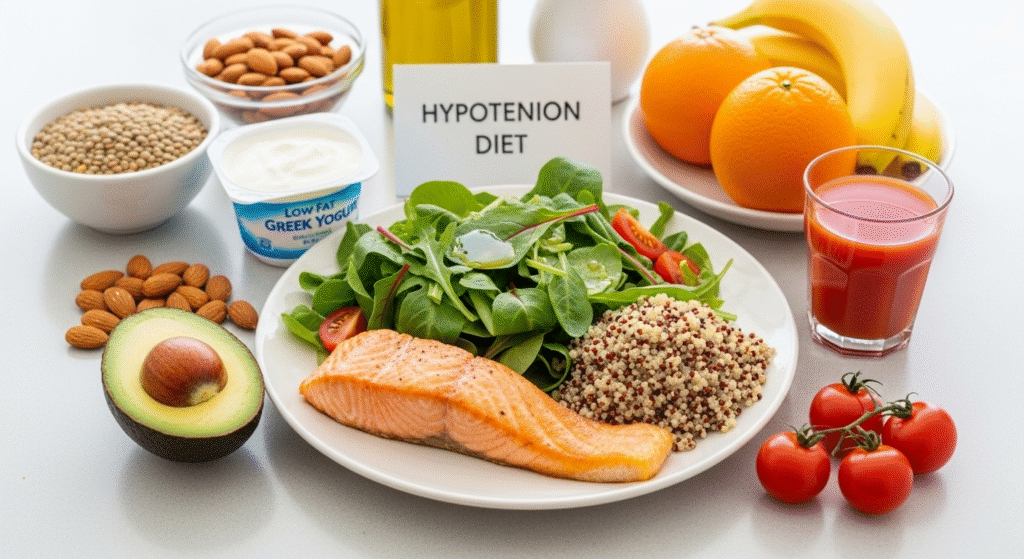
This blog will guide you through practical, everyday habits that can support your hypotension diet, increase your energy, improve blood circulation, and help you feel more stable and strong.
Understanding Hypotension in Simple Words
Hypotension means your blood pressure is lower than normal, usually below 90/60 mmHg. When blood pressure is too low, your heart and brain may not receive the oxygen and nutrients they need to function properly. That’s why symptoms like:
- Dizziness
- Lightheadedness
- Weakness
- Blurred vision
- Fainting
- Cold hands and feet
can occur.
These symptoms are the body’s way of saying it needs better support both through diet and lifestyle.
While food provides nutrients to strengthen your blood and circulation, your daily habits help your body maintain stability. So, let’s talk about how you can support your diet with smart lifestyle choices.
Also read about this: Hypotension Diet
1.Stay Hydrated Water is Your Best Friend
One of the most common causes of low blood pressure is dehydration. When your body lacks water, your blood volume decreases, and your blood pressure drops.
Try this daily hydration routine:
- Drink a glass of water first thing in the morning.
- Carry a water bottle throughout the day.
- Sip water every 20–30 minutes not just when you feel thirsty.
- Include oral rehydration solutions (ORS) or homemade electrolyte water if you feel weak or dizzy.
A simple rule:
If your urine is very dark yellow, you need more water.
Hydration alone can make a noticeable difference in your energy levels.
Remember:https://healthytipspro.com/get-enough-vitamin-b12-folate/
2.Eat Small and Frequent Meals in Hypotension Diet
Large meals can cause your blood pressure to drop suddenly, especially after eating. This happens because your body directs extra blood to your digestive system.
Instead of 2–3 large meals, aim for:
- 5–6 small meals per day
- Regular meal timings
- Avoiding long gaps between meals
Example Eating Schedule:
| Time | Meal |
|---|---|
| 8:00 AM | Breakfast |
| 10:30 AM | Light snack (fruit + nuts) |
| 1:00 PM | Lunch |
| 4:00 PM | Tea + healthy snack |
| 7:30 PM | Dinner |
| 9:30 PM | Warm milk or yogurt (optional) |
This keeps blood pressure steady and prevents energy crashes.
3.Increase Salt Intake in Hypotension Diet But Do It Wisely
Salt helps raise blood pressure because sodium attracts water, increasing blood volume. However, this does not mean you should eat junk food or salty snacks excessively.
Safe Sources of Salt:
- Lightly salted soups
- Homemade pickles (small amounts)
- Salted nuts
- Buttermilk with a pinch of salt
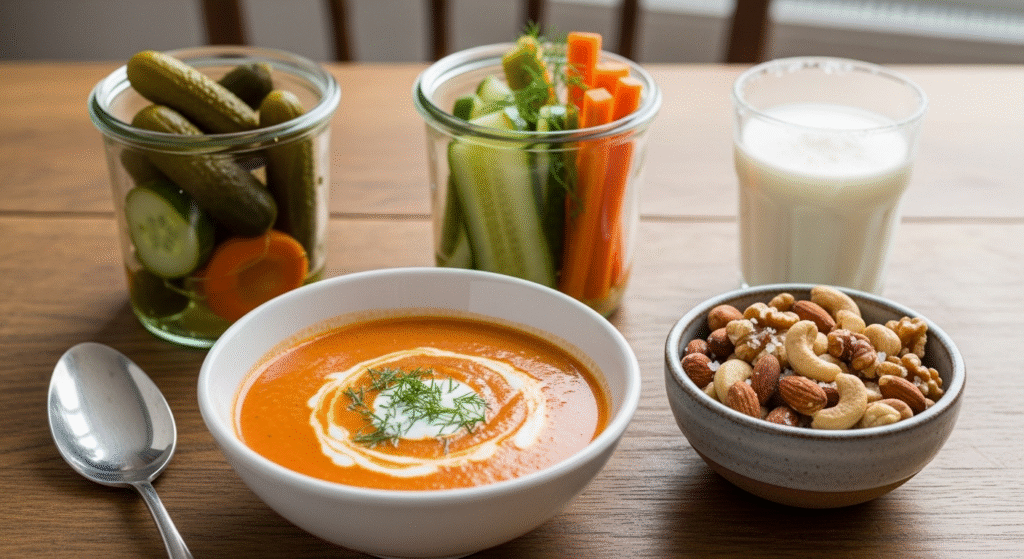
Important: Always adjust salt intake based on medical advice, especially if you have kidney or heart concerns.
4.Choose Nutrient-Rich Foods That Support Blood Circulation
Your diet should include foods that help build strong blood cells, improve circulation, and maintain energy.
Include:
- Iron-rich foods (spinach, dates, lentils, eggs)
- Vitamin B12 foods (eggs, fish, dairy, fortified cereals)
- Folate-rich foods (beans, leafy greens, citrus fruits)
- Healthy fats (nuts, seeds, olive oil, avocado)
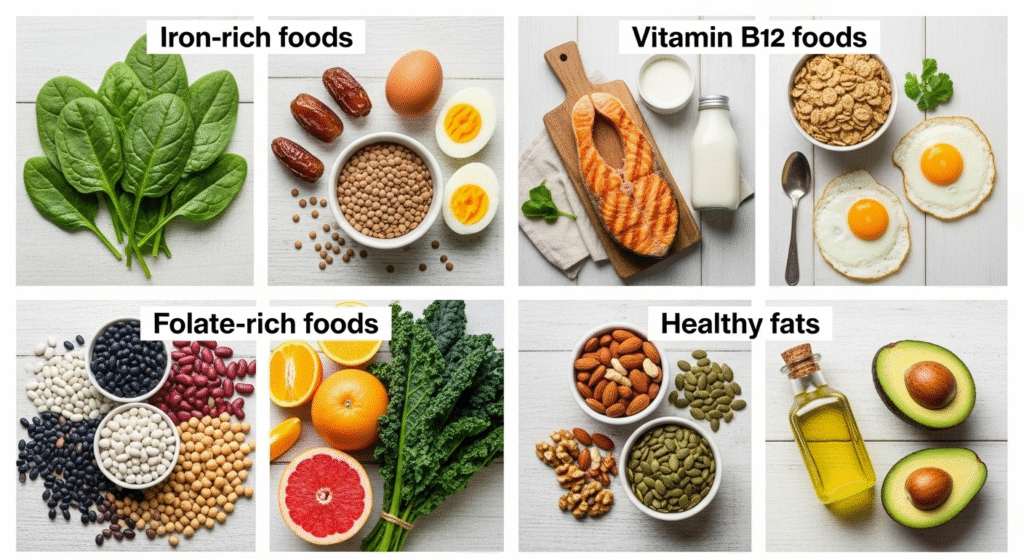
These nutrients help strengthen your blood, so your body can maintain pressure naturally.
5.Gentle Physical Activity for Better Circulation
When you move your body, your heart pumps blood more efficiently. You don’t need intense exercise just gentle, consistent movement.
Helpful Activities:
- Walking (20–30 minutes daily)
- Yoga or stretching (especially morning routine)
- Light cycling
- Swimming
Avoid heavy lifting or intense activities that make you feel dizzy.
Focus on smooth, steady motion to help your blood flow naturally.
6.Manage Stress Calm Mind, Strong Body
Stress can lower blood pressure by affecting hormones and increasing fatigue.
Try These Relaxation Techniques:
- Deep slow breathing (inhale 4 seconds, exhale 6 seconds)
- Meditation for 5–10 minutes daily
- Listening to calming music
- Journaling your thoughts
- Spending time in nature
You don’t have to remove stress completely just learn to respond to it calmly. Your body will thank you.
7.Get Enough Rest and Maintain a Consistent Sleep Routine
Lack of sleep weakens the nervous system, which controls blood pressure.
Sleep Tips:
- Aim for 7–9 hours per night
- Try sleeping and waking at the same time daily
- Avoid screens 1 hour before bed
- Drink warm milk or herbal tea to relax
Your body heals, repairs, and restores blood circulation during sleep.
8.Change Posture Slowly
Many people with hypotension feel dizzy when standing up quickly. This is because the blood pressure drops suddenly.
Try This Instead:
- Sit up slowly from lying position.
- Hold for a few seconds.
- Stand up gently not in a rush.
This simple habit can prevent fainting and sudden dizziness.
9.Avoid Extremely Hot Showers in Hypotension
Hot water relaxes blood vessels, which can lower blood pressure even more.
If you feel lightheaded during or after a hot bath, this is the reason.
What to Do:
- Use warm water instead of very hot.
- Avoid sitting in steam rooms or saunas.
- If you feel faint, sit down immediately and drink water.
10.Listen to Your Body
Your symptoms are messages.
If your body feels:
- Tired → Rest
- Weak → Drink water or eat fruit/nuts
- Dizzy → Sit or lie down immediately
- Better after certain foods → Include them more often
Keep a small health journal to track:
- Foods that give energy
- Foods that cause dizziness
- Times of the day you feel tired
This will help you learn what your body needs most.
Motivation: You Have the Power to Improve Your Energy and Strength
Managing hypotension is not about making big or complicated changes.
It’s about small decisions each day:
- Drink water before you feel thirsty.
- Eat nutritious foods instead of skipping meals.
- Move your body regularly.
- Rest when needed.
- Stay gentle with yourself.
Your journey is about balance, not perfection.
Every meal you prepare
Every walk you take
Every mindful breath you choose
Appoint Doctor:
If your low blood pressure symptoms continue, it may be time to get professional help. You can book a consultation with a qualified doctor here:
Book a Doctor Appointment
Can drinking coffee help raise low blood pressure?
Yes, caffeine may temporarily raise blood pressure, but it should be used in moderation. Too much can cause dehydration, which may worsen hypotension.
How much water should a person with low blood pressure drink?
Most adults should aim for 8–10 glasses per day, but your needs may be higher if you sweat a lot or live in a hot climate.
Can exercise make low blood pressure worse?
Intense or sudden movements may cause dizziness. Gentle, regular exercise like walking or yoga is best for stability and circulation.
Is salt always recommended for hypotension?
Not always. Excess salt can be harmful for some people. It should be increased only with medical guidance.
When should I see a doctor?
If you experience frequent fainting, severe dizziness, or sudden blood pressure drops, consult a doctor to check for underlying conditions.
very informative