Best diet for hypotension is all about eating the right foods that help maintain healthy blood pressure levels and keep your body active throughout the day. Hypotension, also known as low blood pressure, occurs when your blood pressure drops below 90/60 mmHg.
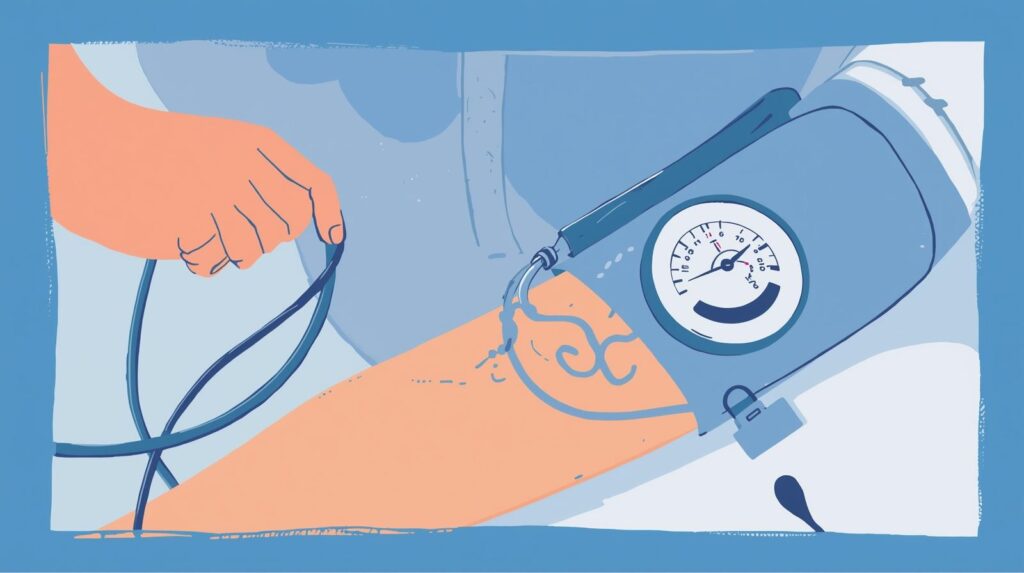
While many people worry about high blood pressure, low blood pressure can also cause serious health issues like dizziness, weakness, fatigue, and fainting. In some cases, it can even reduce the flow of oxygen to vital organs such as the brain and heart.
The good news? You can manage hypotension naturally with proper nutrition, hydration, and lifestyle habits. Let’s explore the best diet and daily eating tips to help keep your blood pressure stable and your body full of energy.
Stay Hydrated Fluids Are the Key to Stable Blood Pressure
One of the main reasons for low blood pressure is dehydration. When your body doesn’t have enough fluids, your blood volume decreases, causing your pressure to drop.
To prevent this:
- Drink at least 8–10 glasses of water every day.
- Include electrolyte drinks, coconut water, or ORS solutions to maintain balance.
- Drink more fluids during hot weather or after exercise.
- Avoid excessive caffeine or alcohol, as they can lead to dehydration.
Staying hydrated supports healthy circulation, improves heart function, and is one of the most effective natural remedies for low blood pressure.
Also read about this: Best Diet for Hypotension
Add a Little Extra Salt (With Care)
People with high blood pressure are told to limit salt, but if you have hypotension, you actually need a bit more sodium. Sodium helps your body retain water and raises blood pressure naturally.
However, moderation is important — too much salt can harm your heart.
- Add a pinch of salt to your meals.
- Eat natural salty foods like cheese, pickles, and soups.
- Choose iodized salt instead of refined salt for better nutrition.
- Always consult your doctor before making major changes to salt intake.
A slight increase in sodium can make a big difference in maintaining normal pressure levels when you’re following a diet plan for hypotension.
Eat Small, Frequent Meals
Eating large, heavy meals can cause a sudden drop in blood pressure after eating (called postprandial hypotension). This happens because blood flows more toward the digestive system.
To prevent this:
- Eat five to six small meals throughout the day instead of three big ones.
- Avoid skipping meals.
- Include a balance of carbs, protein, and healthy fats in every meal.
For example:
- Breakfast: Oatmeal with milk and nuts
- Mid-morning snack: Banana or yogurt
- Lunch: Brown rice with chicken or lentils
- Evening snack: Whole-grain toast with peanut butter
- Dinner: Vegetable soup with whole wheat bread
Small, regular meals help maintain steady blood sugar and blood pressure levels all day long.
Include Foods Rich in Vitamin B12 and Folate
Deficiency in vitamin B12 or folate (vitamin B9) can cause anemia, which leads to low blood pressure. Including these vitamins in your daily meals supports healthy blood flow and energy levels.
Remember this: https://healthytipspro.com/nutrition-tips-for-students/
Vitamin B12-rich foods:
- Eggs, milk, cheese, and yogurt
- Fish and chicken
- Fortified cereals
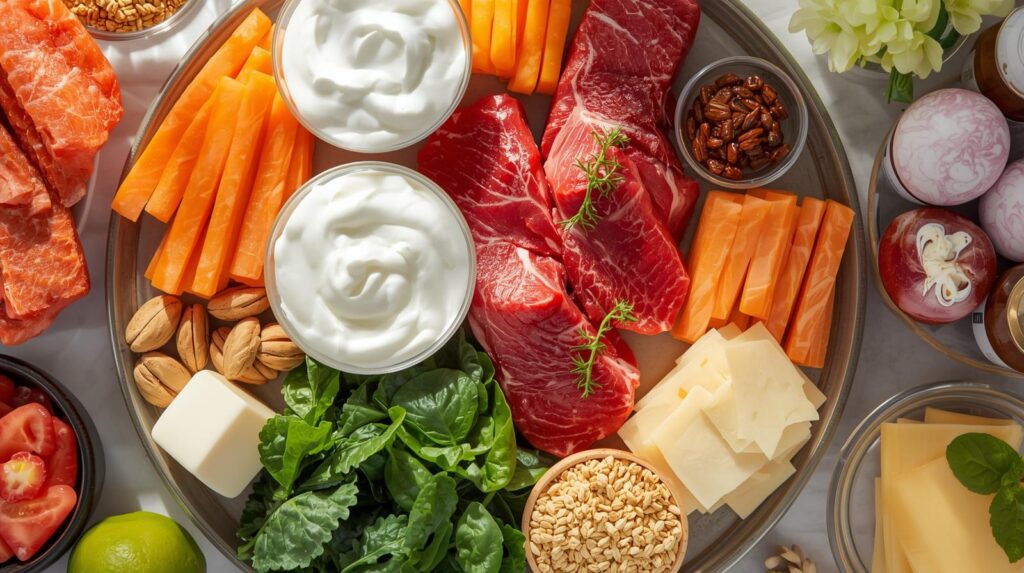
Folate-rich foods:
- Leafy green vegetables like spinach and kale
- Lentils, chickpeas, and beans
- Avocados and oranges
Adding these foods to your nutrition plan for hypotension can help prevent weakness, fatigue, and dizziness.
Eat Iron-Rich Foods
Iron is another essential nutrient that helps the body produce healthy red blood cells. A lack of iron can lead to anemia and lower your blood pressure.
Some of the best iron-rich foods for low BP include:
- Red meat and liver
- Lentils and kidney beans
- Spinach, kale, and other leafy greens
- Pumpkin seeds and raisins
Pair iron foods with vitamin C sources like lemon juice or oranges for better absorption.
Focus on Whole Grains and Complex Carbs
Whole grains are packed with fiber, vitamins, and minerals that support healthy blood flow and energy production. Unlike refined carbs, they don’t cause sudden blood sugar spikes or drops.
Choose foods like:
- Brown rice
- Oats
- Whole wheat bread
- Quinoa
- Barley
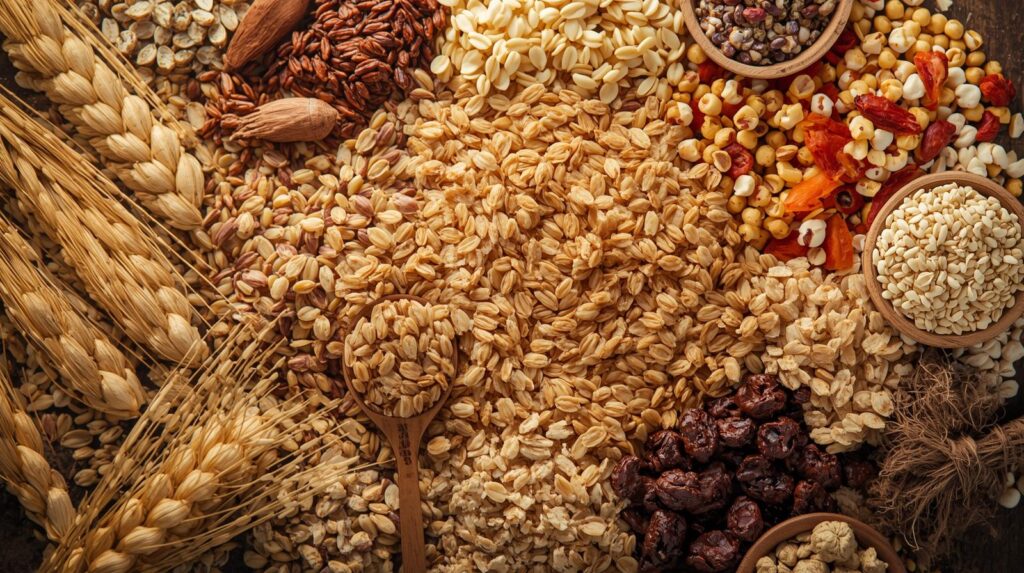
Whole grains are excellent for long-lasting energy and should be part of every healthy meal for low BP.
Drink Coffee or Tea in Moderation
A small amount of caffeine can temporarily raise blood pressure by stimulating your cardiovascular system. Drinking a cup of coffee or black tea in the morning can help you feel alert and energetic.
But don’t rely too much on caffeine. Too much coffee or tea can cause dehydration. Stick to 1–2 cups a day for the best results.
Add More Protein and Healthy Fats
Protein and healthy fats support heart health and help maintain blood pressure. Include a balance of both in your diet plan for hypotension.
Good sources include:
- Eggs, lean chicken, and fish
- Greek yogurt and milk
- Nuts, seeds, and olive oil
- Legumes like lentils and chickpeas
These foods also provide essential nutrients that help your body stay strong and energetic.
Snack Smart to Avoid Energy Crashes
Long study sessions or work hours can lead to skipped meals, which worsen hypotension symptoms. To avoid feeling dizzy or tired, keep healthy snacks on hand.
Some great snack options include:
- A banana with peanut butter
- Handful of almonds or walnuts
- Yogurt with honey
- Whole-grain crackers
- Smoothies with milk or fruits
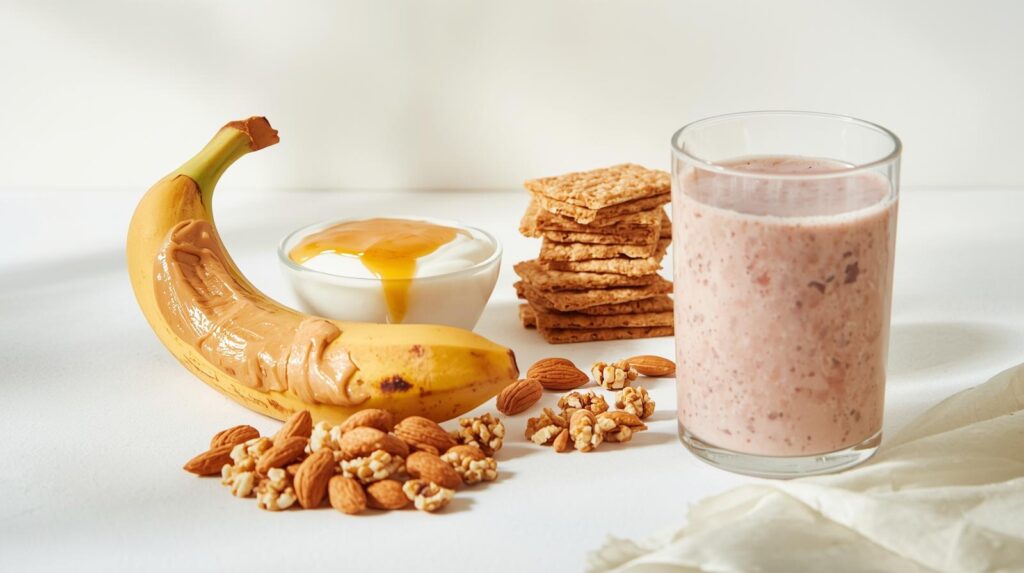
Snacking helps maintain steady blood sugar levels and keeps your blood pressure balanced throughout the day.
Lifestyle Tips to Support Your Hypotension Diet
Food is essential, but lifestyle also plays a huge role in managing low blood pressure.
Here are a few habits to adopt:
- Get up slowly after sitting or lying down.
- Avoid standing for too long, especially in hot weather.
- Exercise regularly walking and yoga improve circulation.
- Sleep well, as rest helps your heart and blood vessels function better.
- Avoid alcohol, as it can lower blood pressure even more.
Combining these healthy habits with a nutritious diet ensures better long-term control of hypotension.
Final Thoughts
The best diet for hypotension is not about strict rules it’s about balance, hydration, and consistent nourishment. Eating small, healthy meals, drinking enough fluids, and including foods rich in salt, vitamins, and minerals can help you stay energetic and prevent sudden drops in blood pressure.
Remember, your diet is your first line of defense against low blood pressure. Focus on wholesome, nutrient-packed foods, stay hydrated, and listen to your body.
With a little care and the right choices, you can manage low blood pressure naturally and enjoy a life full of energy, focus, and good health.
Appoint doctor
If you’re experiencing frequent dizziness or weakness due to low blood pressure, it might be time to check for nutritional deficiencies and get the right treatment plan by:https://www.marham.pk/doctors/nutritionist
Also read about more Health Tips:https://healthytipspro.com/
Is salt good for low blood pressure?
Yes moderate salt intake can help raise low blood pressure by retaining fluids in the body. However, always consult your doctor before increasing salt, especially if you have heart or kidney problems. Use iodized salt and include natural salty foods in your meals.
How can hydration affect low blood pressure?
Hydration is crucial. Low blood pressure often occurs due to low blood volume caused by dehydration. Drinking enough water, herbal teas, or electrolyte drinks helps maintain blood pressure and prevents dizziness or fainting.
Can coffee or tea help with hypotension?
Yes, caffeine in coffee or tea can temporarily raise blood pressure and increase alertness. But drink it in moderation one to two cups a day is enough. Too much caffeine can lead to dehydration and heart palpitations.
Can exercise help manage hypotension?
Yes, light physical activity like walking, yoga, or stretching can improve blood circulation and heart strength. Avoid intense workouts or sudden position changes, as they may cause dizziness.
Pingback: Why Junk Food Is Harmful to Our Body - Health Tips