Chronic Respiratory Diseases (CRDs) are long-term conditions that affect the lungs and airways, making it harder for a person to breathe normally. These illnesses are becoming more common worldwide due to rising pollution, smoking, climate change, and lifestyle factors. Understanding these diseases is important because early awareness and prevention can significantly improve quality of life. In this guide, we will discuss what CRDs are, their types, causes, symptoms, diagnosis, treatment methods, and practical prevention strategies.
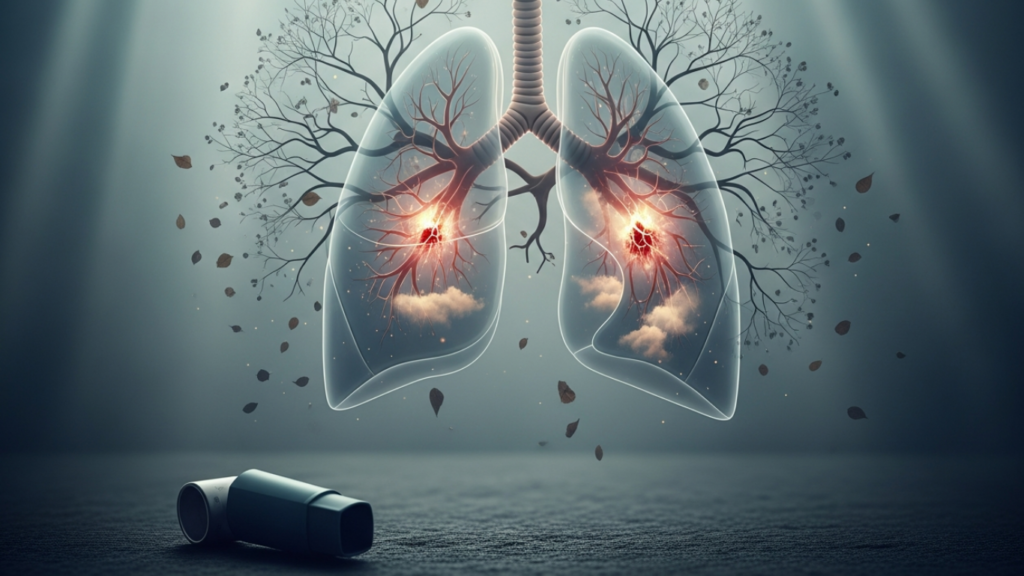
What Are Chronic Respiratory Diseases?
Chronic Respiratory Diseases refer to a group of illnesses that affect the lungs and breathing system for a long period often years or even a lifetime. These diseases damage the airways, lung tissues, or both, making it difficult for the lungs to function properly. Unlike temporary infections such as the flu, CRDs usually do not go away completely, but with proper care, people can manage symptoms and live healthier lives. As pollution increases globally and smoking remains common, CRDs continue to rise in both developing and developed countries.
Types of Chronic Respiratory Diseases
There are many forms of CRDs, and each affects the lungs differently. The most common types include:
1. Chronic Obstructive Pulmonary Disease (COPD)
A progressive disease that makes it hard to breathe due to blocked airways. It usually develops from long-term smoking or exposure to harmful chemicals and dust.
2. Asthma
A condition where the airways become inflamed and narrow, often triggered by allergens, exercise, cold air, or pollution.
3. Chronic Bronchitis
A long-term inflammation of the bronchi that leads to persistent coughing and mucus production.
4. Emphysema
A condition where the air sacs in the lungs are damaged, reducing airflow and oxygen supply.
5. Bronchiectasis
A disease where the airways become abnormally widened, leading to frequent infections and mucus buildup.
6. Pulmonary Fibrosis
A condition where lung tissue becomes thick and stiff, making breathing increasingly difficult.
7. Occupational Lung Diseases
Caused by exposure to harmful substances at work, such as asbestos, silica dust, or chemical fumes.
8. Allergic Respiratory Diseases
Triggered by allergens like pollen, dust mites, mold, or pet dander, leading to chronic airway inflammation.
Also read about this: Chronic Respiratory Diseases
Permalink: https://healthytipspro.com/insect-born-diseases-a-complete-guide/
Causes & Risk Factors
Chronic Respiratory Diseases develop due to a combination of environmental, lifestyle, and genetic factors. The most significant causes include:
✔ Smoking
The leading cause of COPD and many other chronic lung conditions.
✔ Air Pollution
Urban pollution, vehicle smoke, industrial emissions, and indoor smoke from cooking fuels contribute heavily.
✔ Occupational Exposure
Workers in construction, mining, factories, or agriculture often inhale harmful particles.
✔ Allergens
Dust, chemicals, pollen, and mold can trigger chronic inflammation.
✔ Genetic Factors
Some individuals inherit conditions that weaken lung function.
✔ Respiratory Infections
Repeated infections in childhood or adulthood may increase the risk of CRDs later in life.
✔ Climate Change
Warmer temperatures and poor air quality worsen breathing problems worldwide.
Early & Advanced Symptoms
Being aware of symptoms helps identify CRDs early and begin treatment sooner. Common symptoms include:
- Persistent coughing
- Shortness of breath
- Wheezing
- Chest tightness
- Excess mucus production
- Fatigue
- Frequent throat or lung infections
- Difficulty sleeping due to breathlessness
- Reduced stamina during physical activity
In advanced stages, symptoms become more severe and may require continuous medical care or oxygen support.
How These Diseases Affect Daily Life
Chronic respiratory problems make simple daily activities like climbing stairs, walking long distances, or even talking more difficult. People may experience frequent hospital visits, reduced productivity, and emotional stress. The constant struggle to breathe can affect mental health, leading to anxiety or depression. Families may also face challenges, especially when a person’s symptoms flare up unexpectedly.
Diagnosis & Medical Tests
Doctors use several tests to diagnose CRDs accurately:
✔ Spirometry
A breathing test that measures lung capacity and airflow.
✔ Chest X-ray
Helps detect lung damage or inflammation.
✔ CT Scan
Provides a detailed picture of lung structures to identify conditions like fibrosis or bronchiectasis.
✔ Blood Tests
Used to check oxygen levels and identify infections or allergies.
✔ Allergy Tests
Helpful for asthma or allergic respiratory diseases.
✔ Lung Function Tests
Measure how well the lungs transport oxygen.
Early diagnosis can prevent complications and help start the right treatment plan.
Treatment & Management Options
While chronic respiratory diseases cannot always be fully cured, their symptoms can be controlled effectively with proper management. Treatment usually includes:
1. Inhalers
- Bronchodilators to relax airway muscles
- Corticosteroids to reduce inflammation
2. Medications
Antibiotics, anti-inflammatory drugs, and allergy medicines depending on the disease type.
3. Oxygen Therapy
Used when oxygen levels drop significantly.
4. Pulmonary Rehabilitation
A combination of exercise, breathing techniques, and education to strengthen lung function.
5. Breathing Exercises
Techniques like pursed-lip breathing help improve airflow.
6. Lifestyle Improvements
Quitting smoking, maintaining a healthy weight, and staying physically active.
7. Avoiding Triggers
Staying away from dust, smoke, pollution, allergens, and cold air.
8. Vaccinations
Flu and pneumonia vaccines reduce the risk of severe infections.
9. Hospitalization
Required during severe flare-ups or when oxygen levels become dangerously low.
Prevention Strategies
Preventing chronic respiratory diseases is easier than treating them. Follow these simple strategies:
- Avoid smoking and second-hand smoke
- Wear masks in polluted or dusty areas
- Improve indoor air quality with ventilation
- Keep homes free from dust and mold
- Get annual flu shots
- Avoid overcrowded places during infection seasons
- Use protective equipment at work
- Perform regular health checkups
Doctors Who Treat Chronic Respiratory Diseases
The primary specialist for CRDs is a Pulmonologist (lung specialist).
Other professionals involved include:
- Respiratory therapists
- Allergy specialists
- Internal medicine doctors
Diet Plan for Chronic Respiratory Diseases
| Food Category | Recommended Foods | Benefits for Lungs |
| Fruits | Apples, berries, oranges, kiwi, papaya | Rich in antioxidants, reduce inflammation, support immunity |
| Vegetables | Spinach, kale, broccoli, carrots, tomatoes | Improve lung function, reduce mucus, provide vitamins A, C, K |
| Whole Grains | Oats, brown rice, whole wheat bread, quinoa | Provide steady energy and reduce inflammation |
| Protein Sources | Fish, chicken, eggs, beans, lentils, tofu | Strengthen muscles needed for breathing |
| Healthy Fats | Olive oil, nuts, seeds, avocado, omega-3 rich fish | Reduce airway inflammation and support lung tissue |
| Hydration | Water, herbal teas, warm soups | Thin mucus, improve breathing, prevent dehydration |
| Anti-Inflammatory Foods | Turmeric, ginger, garlic, green tea | Reduce lung swelling and support immunity |
| Calcium & Vitamin D | Milk, yogurt, fortified cereals, sunlight | Strengthen respiratory muscles and improve overall health |
| Foods to Avoid | Fried foods, sugary snacks, soda, too much salt, processed meats, alcohol | Increase inflammation, worsen breathing, cause mucus buildup |
Doctors’ Roles in Managing Chronic Respiratory Diseases
| Doctor / Specialist | Role in Treatment | Why Their Role Is Important |
| Pulmonologist (Lung Specialist) | Diagnoses lung diseases, prescribes inhalers, manages COPD, asthma, fibrosis | Main doctor responsible for long-term care and treatment planning |
| Respiratory Therapist | Teaches breathing exercises, manages oxygen therapy, guides pulmonary rehabilitation | Helps improve breathing strength and lung function |
| Allergist / Immunologist | Identifies allergy triggers, conducts allergy tests, prescribes allergy treatment | Prevents flare-ups caused by dust, pollen, or food allergies |
| General Physician (GP) | Provides primary checkups, early diagnosis, routine monitoring | First line of medical care and referral to specialists |
| Nutritionist / Dietitian | Creates lung-friendly diet plans, manages weight, suggests anti-inflammatory foods | Supports lung health through proper nutrition |
| Physiotherapist | Guides physical activity, chest physiotherapy, postural drainage | Helps improve airway clearance and reduce breathlessness |
| Emergency Doctor | Provides urgent treatment during severe asthma or COPD attacks | Saves lives during critical breathing problems |
Final Advice
Chronic Respiratory Diseases may be long-term, but they can be managed effectively with awareness, early diagnosis, and consistent care. By adopting healthier habits, maintaining a clean environment, and working with the right medical professionals, individuals can lead an active and fulfilling life. Protect your lungs today they are the foundation of your overall health.
Appoint Doctor:
For expert consultation and treatment of Chronic Respiratory Diseases, book your appointment with a certified pulmonologist here: Pulmonologist
How can I prevent chronic respiratory diseases from worsening
Avoid smoking, limit pollution exposure, keep your home clean, follow prescribed inhalers, stay hydrated, exercise lightly, and get flu and pneumonia vaccinations.
When should someone with breathing issues see a doctor
If you experience persistent coughing, wheezing, shortness of breath, chest tightness, or frequent lung infections, you should see a pulmonologist immediately.
Which foods are good for strengthening lung function
Fruits, leafy vegetables, omega-3 rich foods (fish, nuts, seeds), ginger, garlic, and antioxidant-rich foods help reduce inflammation and support breathing.
What triggers flare-ups in asthma or COPD
Common triggers include dust, smoke, pollution, cold air, viral infections, strong smells, household chemicals, and allergens like pollen or pet dander.
Can chronic respiratory diseases be cured
Most chronic respiratory diseases cannot be fully cured, but their symptoms can be controlled with proper treatment, inhalers, lifestyle changes, and regular checkups.
As the admin of this web page is working, no doubt very
shortly it will be renowned, due to its feature contents.