Insect Borne Diseases remain one of the biggest public health challenges around the world. Even with medical advancements, millions of people still fall sick every year due to infections spread by mosquitoes, ticks, flies, and other insects. These diseases are especially common in warm and tropical regions, but due to climate change, they are now appearing in places where they never existed before.
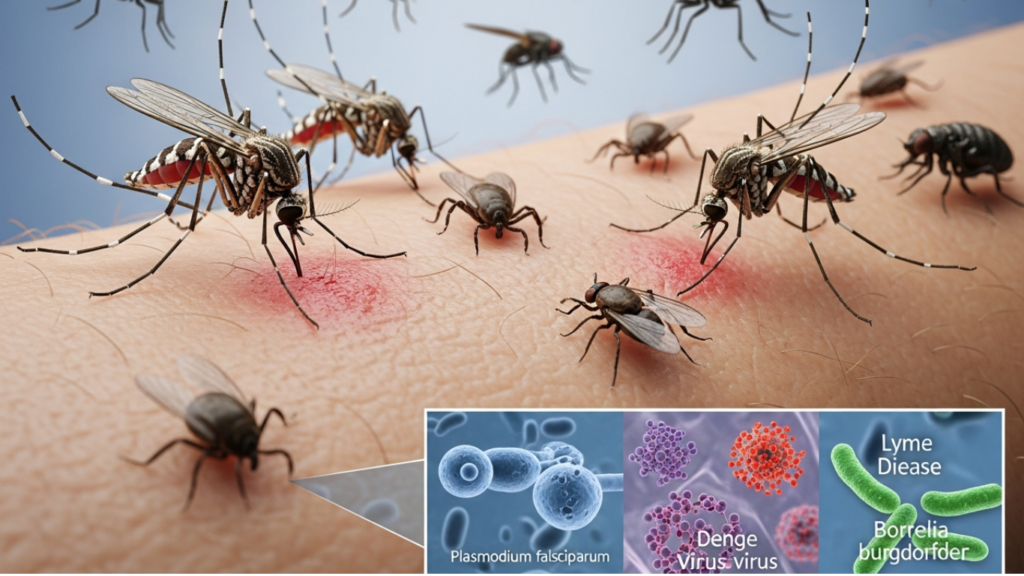
This guide explains everything in a simple, professional, and human-friendly way so readers can understand the risks and learn how to protect themselves and their families.
What Are Insect-Borne Diseases?
Insect-borne diseases (also called vector-borne diseases) are illnesses transmitted to humans through the bite of infected insects. These insects can carry viruses, bacteria, or parasites in their bodies and pass them on while feeding on human blood.
The most common insect vectors include:
- Mosquitoes
- Ticks
- Sandflies
- Blackflies
- Triatomine bugs
- Fleas
These insects act like tiny “carriers,” transferring harmful germs from one person or animal to another.
Also read about this: Insect Born Diseases
Common Insect-Borne Diseases Worldwide
Here are some of the most widespread and dangerous insect-borne diseases:
Dengue Fever
Spread by the Aedes mosquito, dengue causes high fever, joint pain, rashes, and sometimes internal bleeding. It is extremely common in Asia, Africa, and Latin America.
Malaria
One of the deadliest infectious diseases, malaria is spread by the Anopheles mosquito and is caused by parasites. Symptoms include fever, chills, sweating, and severe weakness.
Chikungunya
This mosquito-borne illness leads to intense joint pain, fever, and fatigue. Many people struggle with joint problems for months.
Zika Virus
Transmitted by the Aedes mosquito, Zika is usually mild but dangerous for pregnant women because it can cause birth abnormalities in babies.
Lyme Disease
Spread by ticks, Lyme disease causes fever, rash, joint problems, and nerve issues if not treated early.
West Nile Virus
Carried by mosquitoes, this disease can cause fever or, in severe cases, brain inflammation.
These diseases affect millions each year and remain a serious health threat, especially in tropical and subtropical regions.
How Do These Insects Spread Diseases?
The transmission cycle is simple but harmful:
- An insect bites an infected person or animal.
- The insect becomes a carrier of the virus/parasite/bacteria.
- The insect bites another human.
- The germ enters the new person’s bloodstream and causes disease.
Factors that increase spread:
- Warm and humid climates
- Stagnant water
- Poor sanitation
- Overcrowded living spaces
- Low access to medical care
- Global travel
- Climate change (expands insect habitats)
This is why mosquito-borne diseases rise sharply during rainy and summer seasons.
Early Symptoms to Watch Out For
Symptoms vary depending on the disease, but many insect-borne illnesses start with common early signs:
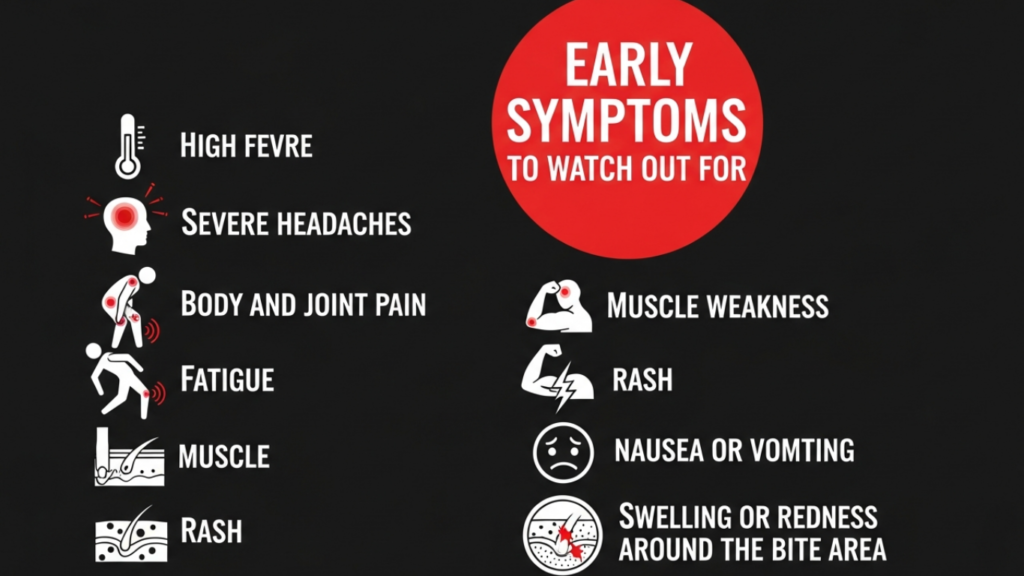
- High fever
- Severe headaches
- Body and joint pain
- Fatigue
- Muscle weakness
- Rash
- Nausea or vomiting
- Swelling or redness around the bite area
- Breathing difficulty (severe cases)
If a person has been in an insect-infested area and develops these symptoms, it is important to seek medical care quickly.
Permalink: https://healthytipspro.com/airborne-diseases/
Diagnosis: Why Early Detection Matters
Early diagnosis can prevent complications and even save lives. Doctors usually use:
- Blood tests
- Antigen/antibody tests
- PCR tests
- Complete blood count
- Imaging tests in severe cases
Many diseases like dengue and malaria can become life-threatening if not treated early, so timely testing is essential.
Treatment Overview for Insect-Borne Diseases
Treatment depends on the specific disease, but general approaches include:
Supportive Care
- Plenty of water
- Electrolyte solutions
- Rest
- Light meals
Fever and Pain Control
- Paracetamol
- Ibuprofen (not recommended for dengue)
Antiviral or Antiparasitic Medication
- Antimalarial drugs
- Antivirals (if prescribed)
Antibiotics
Used for bacterial infections such as Lyme disease.
Hospitalization
Required for severe dengue, complicated malaria, Zika-related pregnancy cases, and neurological complications.
Doctors also monitor blood pressure, platelet count, liver and kidney function, and hydration levels.
How to Prevent Insect-Borne Diseases
Prevention is always better than treatment. These simple steps can save lives:
Avoid Mosquito Bites
- Use mosquito repellent on skin and clothes.
- Sleep under mosquito nets.
- Wear long sleeves and full-length pants.
- Keep windows/doors closed or use screens.
Remove Stagnant Water
Mosquitoes breed in:
- Buckets
- Plants pots
- Old tyres
- Water tanks
- Coolers
Clean these areas regularly.
Keep Your Surroundings Clean
- Dispose of garbage properly.
- Keep drains covered.
Use Insect Killers
- Mosquito coils
- Electric vaporizers
- Indoor spray repellents
Protect Against Ticks
- Avoid tall grass and bushy areas.
- Wear shoes and socks outdoors.
- Check skin after walking through vegetation.
Strengthen Immunity
- Eat nutritious foods
- Stay hydrated
- Reduce stress
- Sleep properly
Vaccination (Where Available)
Some regions offer vaccines for diseases like yellow fever and dengue.
Who Is Most at Risk?
- Children under 5
- Pregnant women
- Elderly people
- People with weak immunity
- Those living near stagnant water
- Outdoor workers
- Travelers to tropical countries
These groups should take extra precautions.
How to Remove Insects from Your Home
Removing insects from your home begins with maintaining a clean and clutter-free environment because insects are attracted to leftover food, moisture, and darkness. Make sure to eliminate standing water from buckets, coolers, and plant pots, as mosquitoes breed rapidly in stagnant water. Natural repellents like lemon with cloves, peppermint oil, neem leaves, and camphor work effectively to keep insects away without using harsh chemicals. Installing window and door screens, sealing wall cracks, and fixing gaps under doors help prevent insects from entering in the first place. You can also use electric vaporizers, mosquito coils, or insect sprays when stronger protection is needed. Keeping indoor plants trimmed, avoiding unnecessary bright lights at night, and ensuring proper ventilation help reduce insect activity. If the infestation becomes severe, contacting a professional pest control service is the safest and most reliable option.
Why Are Insect-Borne Diseases Increasing?
There are several reasons:
Climate Change
Warmer weather helps insects survive longer and spread to new places.
Urbanization
Overcrowded cities and poor drainage create breeding grounds.
Global Travel
Infected insects or people carry diseases across borders.
Resistance to Chemicals
Mosquitoes are becoming resistant to sprays and insecticides.
Because of these factors, countries are reporting higher numbers of dengue, chikungunya, and malaria every year.
When to See a Doctor Immediately
Seek emergency care if any of the following occur:
- Bleeding or bruises
- Severe vomiting
- Difficulty breathing
- Extreme fatigue
- High fever for more than 3 days
- Confusion or seizures
- Rash with fever
- Severe dehydration
Delaying treatment can lead to dangerous complications.
Diet Plan for Insect-Borne Disease Recovery
| Time | Foods to Include | Why It Helps |
| Early Morning | Warm water with lemon, ORS, coconut water | Rehydrates the body, balances electrolytes, reduces weakness |
| Breakfast | Oatmeal, porridge, poached egg, brown bread, banana, papaya, apple | Easy to digest, boosts energy, supports immunity, rich in vitamins |
| Mid-Morning Snack | Fresh fruit juice (without sugar), oranges, pomegranate | Improves blood levels, boosts antioxidants, helps with weakness |
| Lunch | Boiled rice or soft roti, dal (lentils), steamed vegetables, boiled potatoes, chicken soup | Provides protein, energy, and essential nutrients for recovery |
| Evening Snack | Herbal tea, soup, boiled chickpeas, dry fruits (2–3 pieces) | Boosts energy, supports immunity, easy on digestion |
| Dinner | Light khichdi, vegetable soup, grilled fish/chicken, mashed potatoes | Easy to digest during fever; promotes healing and strength |
| Before Bed | Warm milk with turmeric OR warm water with honey | Helps reduce inflammation and promotes restful sleep |
Foods to Eat More
| Food Group | Examples | Benefits |
| Hydration | ORS, coconut water, soups, fresh juices, lemon water | Prevents dehydration, maintains electrolyte balance |
| Fruits | Papaya, banana, pomegranate, apple, orange, kiwi | Boosts immunity, improves digestion, increases platelet count (especially papaya & pomegranate) |
| Protein | Eggs, chicken, fish, lentils, yogurt | Repairs tissues, strengthens muscles, speeds recovery |
| Vegetables | Carrots, spinach, beetroot, pumpkin, bottle gourd | Rich in vitamins, minerals, and antioxidants |
| Healthy Carbs | Rice, roti, oats, porridge, potatoes | Provides steady energy and reduces weakness |
Foods to Avoid
| Avoid | Reason |
| Spicy foods | Irritate the stomach and worsen inflammation |
| Fried foods | Hard to digest and cause acidity |
| Sugary drinks | Reduce immunity and cause dehydration |
| Caffeinated drinks | Increase dehydration |
| Red meat | Heavy to digest during fever |
| Processed foods | Low in nutrients, delays healing |
Doctor’s Roles in Insect-Borne Diseases (Table Format)
| Doctor’s Role | What the Doctor Does |
| Diagnosis | Conducts physical examination, reviews symptoms, checks travel history, and identifies the likely disease. |
| Medical Tests | Orders important tests like CBC, platelet count, malaria test, dengue NS1/IgM, liver/kidney function tests, PCR, or blood smear. |
| Monitoring Condition | Tracks fever pattern, hydration status, platelet levels, blood pressure, and organ function to prevent complications. |
| Treatment Plan | Prescribes fever reducers, pain relievers, anti-malarial drugs, antivirals, antibiotics (when needed), and hydration therapy. |
| Emergency Management | Handles severe cases such as dengue hemorrhagic fever, organ failure, shock, or neurological symptoms; may recommend hospitalization. |
| Fluid & Electrolyte Management | Ensures proper hydration, ORS, IV fluids, and electrolyte balance to prevent dehydration and shock. |
| Preventing Complications | Monitors risks like bleeding (dengue), anemia (malaria), joint swelling (chikungunya), or nerve involvement (Zika & Lyme). |
| Patient Education | Advises on home care, warning signs, prevention methods, and when to seek urgent medical help. |
| Follow-Up Care | Schedules follow-up visits to check recovery, monitor blood levels, and adjust medicines if needed. |
| Community Health Guidance | Helps raise awareness about mosquito control, hygiene, vaccination (where available), and outbreak prevention. |
Appoint Doctor:
For quick medical guidance, diagnosis, or treatment of insect-borne diseases, book your doctor appointment here: General physician
How long does recovery take from diseases like dengue, malaria, or chikungunya
Recovery depends on the specific disease and the patient’s health. Dengue usually improves in 7–14 days, malaria can take 2–4 weeks depending on the type, and chikungunya may leave joint pain for months. Adequate rest, hydration, proper diet, and follow-up tests speed up recovery and prevent long-term complications.
Which age groups are most at risk of severe complications?
Young children, pregnant women, elderly adults, and people with weak immune systems are most at risk. Their bodies respond slower to infections, making complications like dehydration, anemia, bleeding, or organ issues more likely. Early treatment is especially important for these groups.
Can insect-borne diseases be prevented completely?
Most insect-borne diseases can be significantly reduced through simple prevention steps such as using mosquito repellent, sleeping under nets, removing stagnant water, wearing long sleeves, and keeping surroundings clean. While prevention doesn’t offer 100% protection, it greatly lowers the risk, especially during rainy seasons or outbreaks.
What are the warning signs that an insect-borne disease is becoming serious?
Warning signs include persistent high fever, severe vomiting, difficulty breathing, bleeding (nose or gums), intense abdominal pain, rapid heartbeat, confusion, extreme weakness, or a sudden drop in platelets. These symptoms require immediate medical attention because they may indicate complications like dengue hemorrhagic fever, severe malaria, or neurological involvement.
How do insect-borne diseases actually spread?
Insect-borne diseases spread when an infected insect such as a mosquito, tick, or fly bites a person and transfers viruses, bacteria, or parasites into their bloodstream. These germs multiply inside the body and cause illness. Not every insect bite causes disease, but bites from infected insects can lead to serious health problems.
Pingback: Chronic Respiratory Diseases – A complete Guide