Genetic Disorders are conditions that arise because of changes or abnormalities in the genes that we inherit from our parents. These conditions may appear at birth or develop later in life, and they can affect physical appearance, body functions, and the way different organs work. Understanding genetic disorders is important for students, parents, and families because awareness helps in early diagnosis and better care.
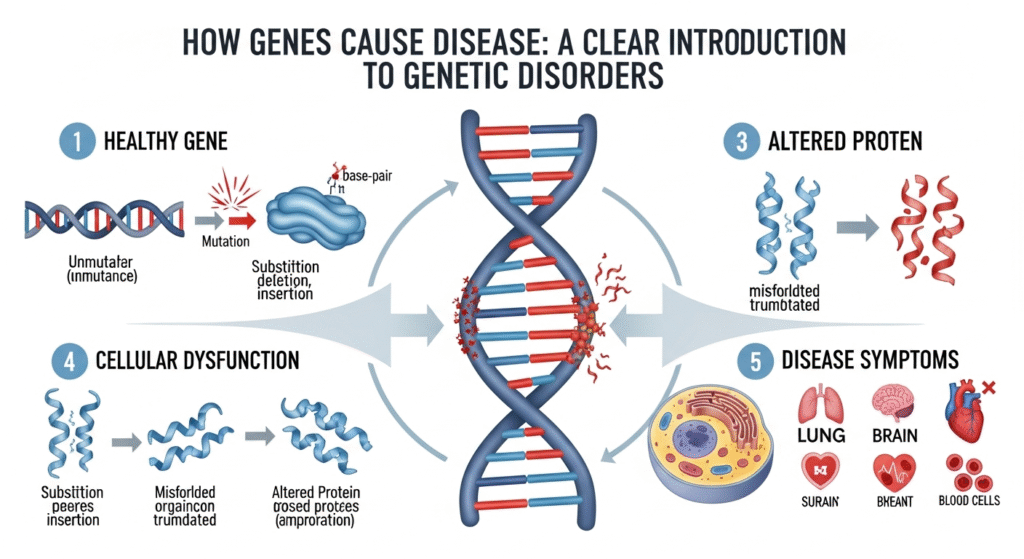
This article provides a simplified explanation of how genes cause disease, the different types of genetic disorders, how they are diagnosed, and how they can be managed or prevented.
What Are Genes?
Genes are tiny units of information found inside almost every cell in the body. They are located on chromosomes, which are long thread-like structures made of DNA. Each human cell normally contains 46 chromosomes (23 pairs) half inherited from the mother and half from the father.
Also read about this: Genetic Disorders
Role of Genes
- Genes act like instructions that tell the body how to grow and function.
- They determine traits like hair color, height, eye color, skin tone, and even some personality tendencies.
- Genes also control how organs work, how blood cells are formed, and how the body fights disease.
In simple words:
Genes are the body’s instruction manual.
How Do Genetic Changes (Mutations) Cause Disease?
Sometimes, a gene may become altered, damaged, missing, or duplicated. This change is called a mutation. When a gene does not function correctly, the body may not produce the right proteins or may produce them incorrectly. This leads to illness.
How Do Mutations Occur?
Mutations can happen in two ways:
Inherited Mutations
Passed from parents to children through reproductive cells (sperm or egg).
Acquired Mutations
Occur during life due to:
- Aging
- Exposure to chemicals or radiation
- Viral infections
- Natural errors in cell division
Not every mutation causes disease but some do.
Remember: https://healthytipspro.com/understanding-anemia-why-low-hemoglobin-makes-you-weak/
How Genes Cause Disease: Main Mechanisms
Genes can cause disease through:
| Mechanism | Description | Example Disorders |
|---|---|---|
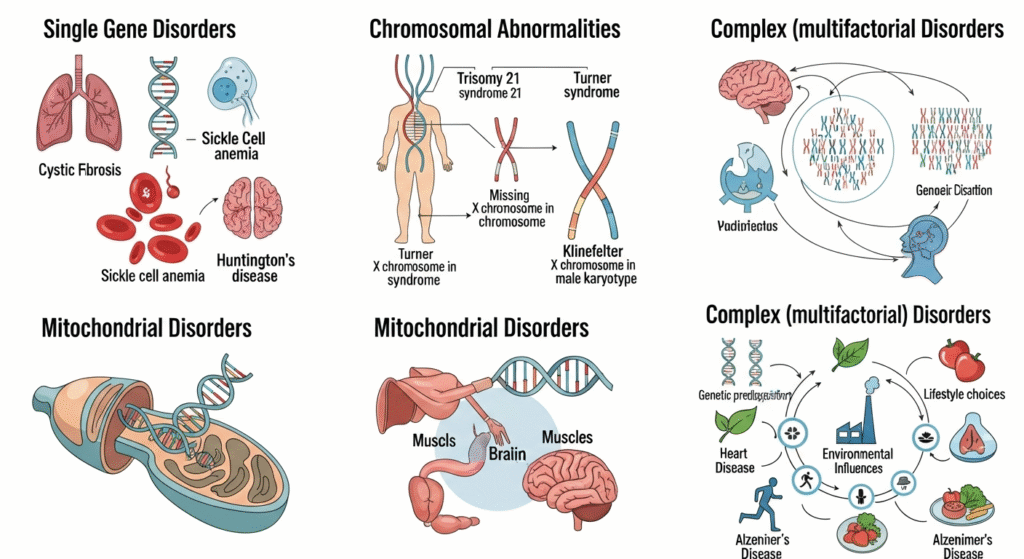
| Single-Gene Mutation | One gene is faulty | Sickle Cell Anemia, PKU, Cystic Fibrosis |
| Chromosomal Abnormality | Missing, extra, or broken chromosome | Down Syndrome, Turner Syndrome |
| Multifactorial Inheritance | Combination of genes + lifestyle | Diabetes, Asthma, Heart Disease |
Types of Genetic Disorders
Single-Gene Disorders
These occur when a single gene is altered. They often follow predictable inheritance patterns.
Common Examples
a) Sickle Cell Anemia
- The body produces abnormal sickle-shaped red blood cells.
- These cells get stuck in blood vessels, causing pain and poor oxygen flow.
Symptoms:
- Severe body pain (pain crises)
- Fatigue
- Pale skin
- Shortness of breath
Risk Factor: More common in people of African, Middle Eastern, and South Asian ancestry.
b) Cystic Fibrosis
- Affects lungs and digestive system.
- The body produces thick, sticky mucus that clogs airways.
Symptoms:
- Chronic cough
- Frequent lung infections
- Poor weight gain
- Digestive problems
c) Hemophilia
- Blood does not clot properly, causing prolonged bleeding.
Symptoms:
- Easy bruising
- Nosebleeds
- Painful swollen joints from internal bleeding
d) Phenylketonuria (PKU)
- Body cannot break down the amino acid phenylalanine.
- Can cause brain damage if untreated.
Prevention: Detected in newborn screening; managed with a special diet.
Chromosomal Disorders
These occur when a chromosome is extra, missing, or damaged.
Common Examples
a) Down Syndrome
- Caused by an extra copy of chromosome 21.
- Results in distinct facial features and intellectual disability.
Symptoms:
- Low muscle tone
- Learning delays
- Increased risk of heart defects
b) Turner Syndrome
- Affects girls; one X chromosome is missing.
Symptoms:
- Short height
- Delayed puberty
- Infertility
c) Klinefelter Syndrome
- Affects boys; they have an extra X chromosome (XXY).
Symptoms:
- Taller than average
- Reduced muscle mass
- Learning challenges
- Infertility
Multifactorial Genetic Disorders
These occur because of a combination of genetic factors + lifestyle/environment.
Examples
- Diabetes
- Heart Disease
- High Blood Pressure
- Asthma
- Certain types of cancer
These conditions run in families but are also influenced by diet, stress, weight, and environment.
Diagnosis of Genetic Diseases
Doctors use several tests to identify genetic disorders:
| Test | Purpose |
|---|---|
| Blood Test | Checks protein and enzyme function |
| DNA (Genetic) Testing | Identifies mutation in genes |
| Chromosome Analysis | Detects missing or extra chromosomes |
| Newborn Screening | Tests babies shortly after birth for treatable genetic disorders |
| Prenatal Tests (during pregnancy) | Helps detect conditions like Down Syndrome |
Treatment of Genetic Diseases
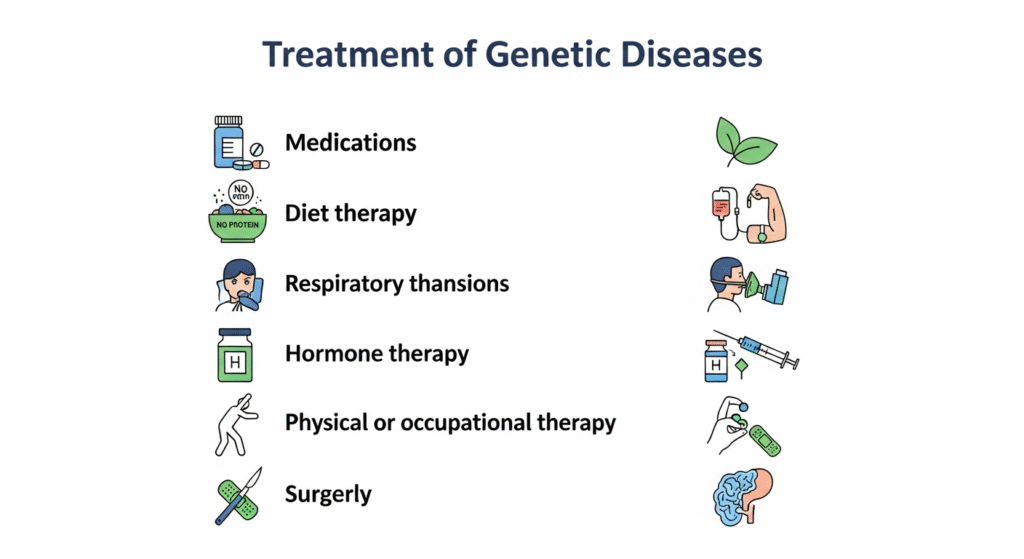
Most genetic diseases cannot be fully cured, but symptoms can be managed effectively.
Treatment Methods
- Medications to manage pain, hormones, or symptoms
- Diet therapy (like low-protein diet in PKU)
- Blood transfusions (used in sickle cell anemia)
- Respiratory therapy (for cystic fibrosis)
- Hormone therapy (e.g., Turner or Klinefelter syndrome)
- Physical or occupational therapy
- Surgery, if organ defects are present
Gene Therapy (Emerging Treatment)
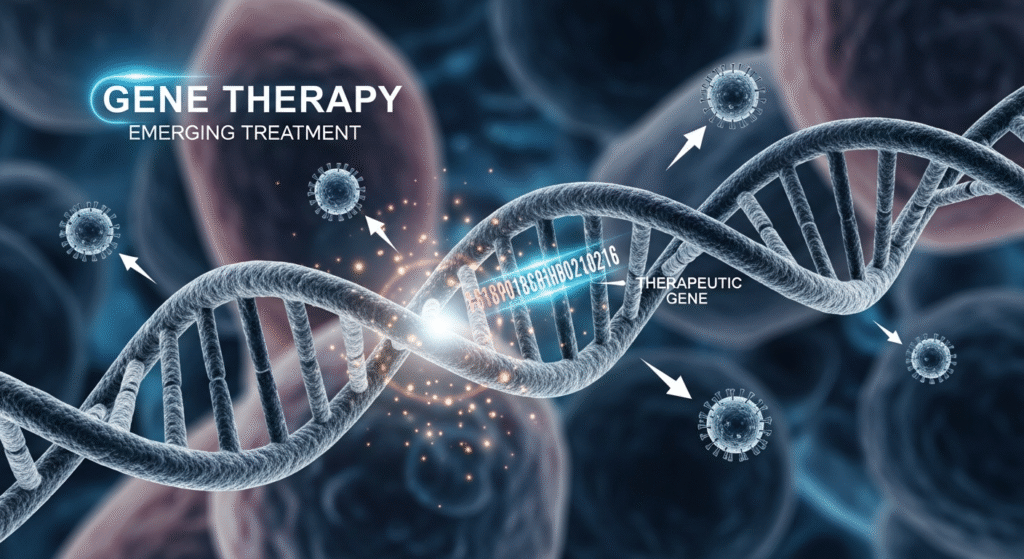
Gene therapy works by fixing or replacing faulty genes.
It is a newer treatment showing promising results, especially in sickle cell disease and some inherited blindness disorders.
Prevention and Awareness
While most genetic disorders cannot be prevented completely, risk can be reduced through:
1. Genetic Counseling
Couples planning marriage or pregnancy can meet a genetic counselor to:
- Review family history
- Discuss risk of inherited diseases
- Plan safe pregnancy options
2. Healthy Pregnancy Care
- Avoid smoking, alcohol, and toxic chemicals
- Take prenatal vitamins (especially folic acid)
- Regular checkups and screening tests
3. Newborn Screening
Detecting disorders early allows treatment to begin immediately.
4. Lifestyle Care for Multifactorial Disorders
- Balanced diet
- Regular exercise
- Stress control
- Avoid smoking and excess sugar
Conclusion
Genetic diseases occur when there are changes in genes or chromosomes. Some are inherited, while others happen due to new mutations. Although many cannot be completely cured, early diagnosis, proper medical care, healthy lifestyle choices, and family awareness can significantly improve the quality of life of affected individuals. Understanding genetics is not only a part of science it is a part of protecting future generations. Knowledge, early screening, and care can make a lifelong difference.
Appoint Doctor:
Book Your Appointment with a Genetic Specialist Today Click Here: Medical Geneticist
Can genetic diseases be completely cured?
Not all genetic diseases can be completely cured because they are caused by changes in genes. However, many conditions can be managed with treatments such as medicines, diet plans, therapy, surgery, or regular care. In some rare cases, advanced treatments like gene therapy can help correct the faulty gene, but these treatments are still developing.
Are genetic diseases always inherited from parents?
No. Some genetic diseases are passed from parents to children, but others can occur due to new genetic changes (mutations) that happen on their own in the baby. So, a child may have a genetic disorder even if no one in the family had it before.
How do doctors diagnose genetic disorders?
Doctors may use blood tests, DNA tests, newborn screening, prenatal tests (during pregnancy), and physical examinations to identify genetic diseases. Sometimes, family history is also studied to understand the pattern of inheritance.
Can lifestyle affect genetic disorders?
Yes. Some genetic conditions are multifactorial, which means they are influenced by both genes and lifestyle. Conditions like diabetes, heart disease, and asthma can become better or worse depending on diet, exercise, stress, and environment. Good habits can help manage these conditions effectively.
How can families prevent genetic diseases in future children?
Genetic counseling is one of the best ways to prevent or reduce risk. Couples planning to marry or have children can consult a genetics specialist to understand possible risks. Early pregnancy care, healthy diet during pregnancy, and newborn screening also help detect conditions early for better outcomes.
Pingback: Bacterial Diseases: Causes, Symptoms, Treatment & Prevention - Health Tips